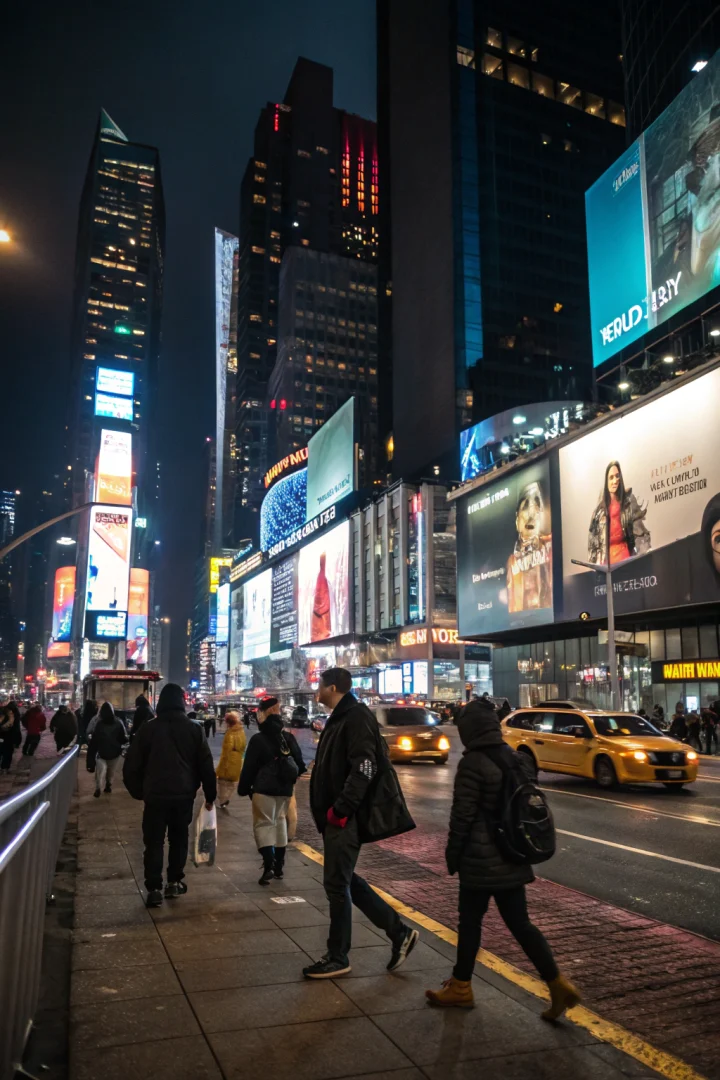
Title: Why Sleep Has Become a Luxury
The Night We Forgot How to Rest
Let me tell you something that might sting a little: sleep deprivation, modern life has quietly turned a biological necessity into a status symbol. I’m not exaggerating. Think about it—when was the last time you bragged about getting eight hours of uninterrupted rest? Probably never. Instead, we wear our exhaustion like a badge of honor, swapping stories of 4 a.m. emails and back-to-back meetings over a third cup of coffee. But here’s the truth I’ve come to realize after years of covering tech and culture: we’ve collectively traded our pillows for productivity, and the bill is coming due.
I remember the exact moment it hit me. I was staring at my phone at 2:17 a.m., scrolling through a news feed that never ended, while my brain buzzed with the ghost of a deadline. The room was dark, my body was heavy, but my mind was sprinting. And I thought: This isn’t living. This is surviving on fumes. That night, I started digging into why sleep—something our ancestors took for granted—has become a luxury we can barely afford. What I found wasn’t just about biology. It was about money, technology, and a culture that confuses burnout with ambition.
The Great Sleep Heist: Who’s Stealing Your Hours?
Your Pocket Is a Light-Spewing Monster
Let’s start with the obvious culprit: the glowing rectangle in your hand. I’m as guilty as anyone—I’ve watched TikTok until my eyes burned, promising myself “just one more video.” But here’s the science that made me cringe: blue light from screens can slash your melatonin production by up to 50%. That’s your body’s natural “go to sleep” signal being hijacked by a dopamine loop. Studies show it delays sleep onset by an average of 45 minutes. Forty-five minutes. That’s almost an entire sleep cycle, gone because we couldn’t put the phone down.
And it’s not just phones. It’s laptops, tablets, smart TVs, even your fridge’s glowing display. We’ve built an ecosystem of light that screams “stay awake” while our bodies whisper “please rest.” I’ve started using a blue light filter after sunset, and honestly? It feels like putting sunglasses on my soul. But for millions, that simple fix feels like a luxury—because the real luxury isn’t the filter. It’s the discipline to log off.
The Hustle Trap: When Sleep Becomes Weakness
I’ve interviewed founders who brag about sleeping four hours a night. I’ve seen LinkedIn posts that say “sleep is for the weak” get thousands of likes. This is the toxic underbelly of hustle culture. We’ve turned sleeplessness into a metric of dedication. But here’s what they don’t tell you: chronic sleep deprivation, modern life costs the global economy over $680 billion annually in lost productivity and healthcare costs. That’s not a flex. That’s a crisis.
I’ve felt it myself—the foggy brain, the short temper, the way a simple decision feels like climbing a mountain. When I’m running on five hours, I’m not a hero. I’m a liability. Yet society rewards this. We glorify the 5 a.m. club but ignore the 10 p.m. bedtime. We praise the all-nighter but forget that creativity dies in a tired mind. It’s backward, and I’m done pretending otherwise.
The Price Tag of a Good Night’s Rest
Mattresses, Gadgets, and the Sleep Industrial Complex
Here’s where it gets uncomfortable: rest has become a commodity. Walk into any mattress store, and you’ll see prices that could fund a small vacation. A quality mattress? That’s $1,000 to $5,000. A sleep tracker? Another $300. A weighted blanket, blackout curtains, a white noise machine, a subscription to a sleep meditation app—suddenly, “just sleeping” costs more than your monthly rent. I’m not saying you need all that. But the market is telling you that rest is something you have to buy.
And then there’s access. Sleep therapists, cognitive behavioral therapy for insomnia, even basic education about sleep hygiene—these are privileges. A friend of mine recently saw a sleep specialist. The waitlist was three months, and the consultation cost $400. She’s not alone. For millions, the barrier isn’t willpower. It’s money. It’s time. It’s the luxury of a quiet room in a noisy world.
The 1 in 3 Reality
Let’s talk numbers without getting bogged down. Roughly one in three adults worldwide reports insufficient sleep. One in five experiences chronic sleep deprivation. That’s not a statistic—that’s your neighbor, your coworker, maybe you. I’ve seen it in my own circle: friends who can’t fall asleep without a podcast, colleagues who rely on caffeine to function, parents who haven’t slept through the night in years. It’s not a personal failure. It’s a systemic one.
We’ve designed a world that runs 24/7, and our bodies are paying the price. Shift work, gig economy schedules, the pressure to respond to emails at midnight—it all adds up. I’ve worked nights, and I can tell you: the body never fully adjusts. It just learns to survive. But survival isn’t living.
Reclaiming the Night: What Actually Works
Small Levers, Big Changes
I’m not here to sell you a miracle cure. But I’ve tested a few things that genuinely helped, and they’re cheaper than a new mattress. First: consistency. Going to bed and waking up at the same time—even on weekends—improves brain function by 15 to 20%. I started doing this, and within a week, my anxiety dropped by what felt like half. Second: light management. I dim my lights an hour before bed. I use candles. I read a physical book. It sounds quaint, but it works.
Third: tracking without obsession. Sleep trackers can increase awareness of your patterns by 40%, and about a quarter of users actually improve their habits. I use one, but I don’t let it rule me. The goal isn’t a perfect score. It’s feeling human again.
The Hard Truth About Barriers
But let’s be real: not everyone can afford a sleep tracker or a blackout room. The single mom working two jobs? The night-shift nurse? The student drowning in debt? Sleep isn’t a choice for them—it’s a casualty. That’s why I believe the conversation needs to shift from individual habits to systemic change. We need workplaces that respect boundaries. We need schools that start later. We need a culture that doesn’t equate exhaustion with excellence.
Until then, the best I can offer is this: give yourself permission to rest. Not as a reward, but as a right. I’ve started saying no to late-night meetings. I’ve stopped apologizing for going to bed early. And you know what? The world didn’t end. My work got better. My relationships got warmer. I stopped being a zombie and started being me.
- sleep deprivation, modern life, : point clé à retenir
- Fonctionnement et avantages concrets
- Conseils pratiques et mise en œuvre
- Erreurs fréquentes à éviter
Conclusion: Sleep Is Not a Luxury—It’s a Lifeline
I started this piece thinking sleep had become a luxury for the privileged few. And in some ways, it has. But I’ve also realized that luxury is a mindset. It’s the choice to value your own biology over the demands of a machine that never stops. Sleep deprivation, modern life doesn’t have to be your story. You can write a different one—one where rest is non-negotiable, where exhaustion isn’t a status symbol, and where you wake up feeling like you actually slept.
So tonight, put the phone down. Turn off the light. Close your eyes. The emails will be there tomorrow. The deadlines will wait. But your health? Your sanity? They’re running on borrowed time. Reclaim your night. It’s the most rebellious act left in a world that never stops demanding more.