Finally, Some Movement
Pimax has a reputation. You know it, I know it, and anyone who has ever backed one of their crowdfunding campaigns knows it. The company builds ambitious, cutting-edge PC VR headsets that push resolution and field of view into territory that feels almost absurdly futuristic. They also have a habit of making their customers wait. And wait. And then wait some more.
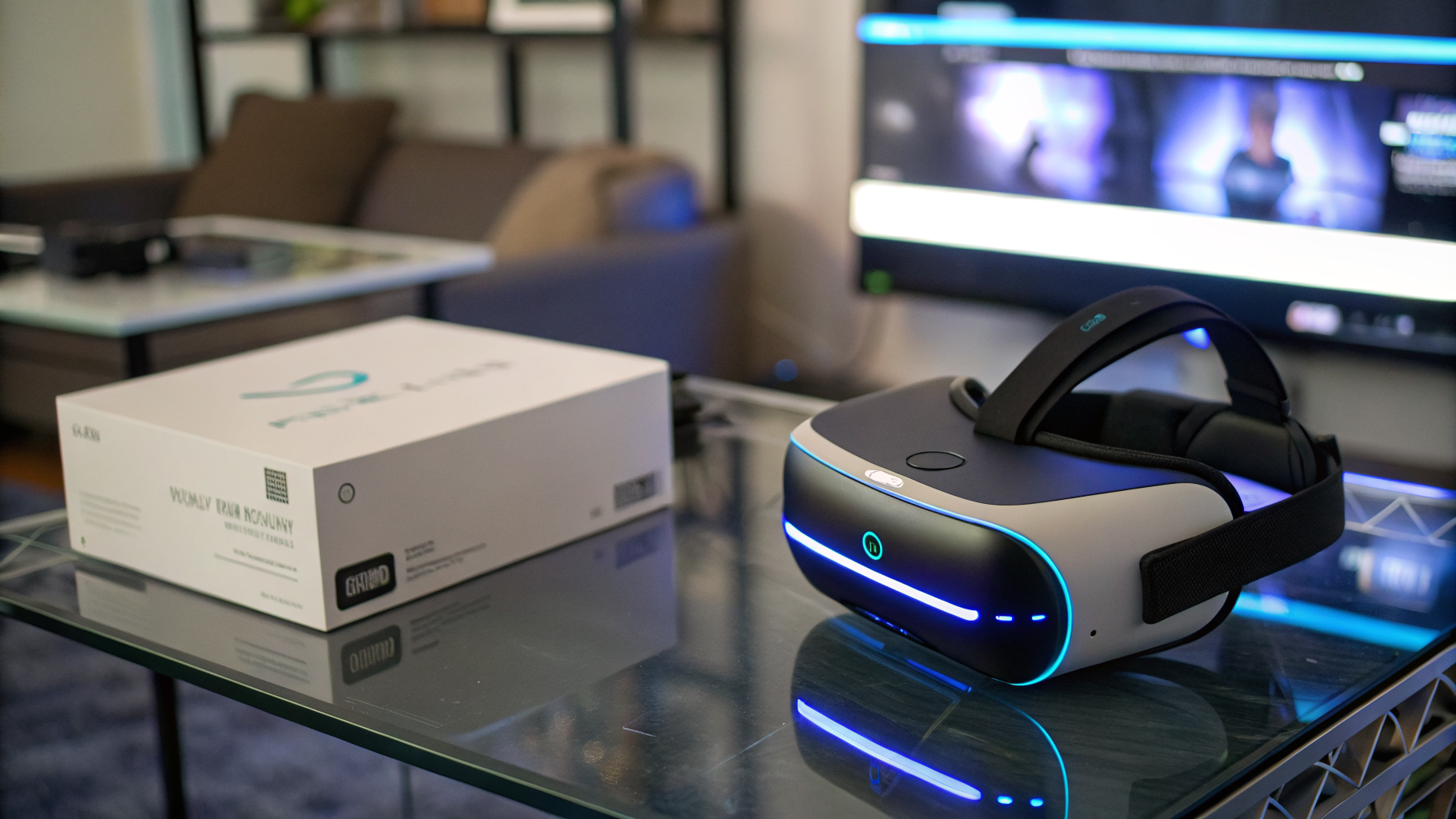
So when I saw the news that Pimax has finally started shipping the first batches of the Dream Air SE, I felt a flicker of something that might have been cautious optimism. Or maybe it was just the coffee. Either way, let’s not break out the champagne just yet.
According to a report from Road to VR, the company confirmed that initial units are going out the door. But here’s the kicker: if you pre-ordered this headset a year ago, you could still be waiting weeks for your unit to arrive. Weeks. That’s not a delay — that’s a test of loyalty.
Now, before I start sounding like a cynic, let me be clear: I genuinely want Pimax to succeed. The VR space needs more players who aren’t afraid to think big. The Dream Air SE is supposed to be the lighter, more affordable sibling to the flagship Dream Air, a thin-and-light PC VR headset that promises high-end visuals without strapping a cinderblock to your face. That’s a compelling pitch. But as with so many things in this industry, the gap between a compelling pitch and a flawless delivery can feel like a canyon.
The Dream Air SE in Context
Let me zoom out for a moment. We’ve been here before. Remember the Pimax 8K? The Crystal? Each time, the company teased specs that made the competition look like a kid’s toy. Each time, backers and pre-order customers refreshed their order pages with the desperate hope of someone checking for a text from an ex. And each time, the shipping dates slipped.
What struck me about the Dream Air SE announcement is that Pimax is trying to do something genuinely different. They’re going thin and light. That’s hard. Making a PC VR headset that doesn’t feel like a helmet from a low-budget sci-fi movie is an engineering challenge that even Meta and Valve haven’t fully cracked. The Quest 3 is comfortable enough, but it’s still a brick. The Bigscreen Beyond is impressively small, but it requires a custom face gasket and has a tiny field of view. Pimax is aiming for a middle ground: a slim form factor with a wide FOV and high resolution.
If they pull it off, it could be a real contender. But the question that keeps nagging at me is simple: can they actually deliver at scale?
The answer, based on this latest update, is a qualified ‘yes, but slowly.’ Shipping has started. That’s real. But the company’s own language suggests that fulfillment will be a trickle, not a flood. If you pre-ordered a year ago, you might be in the first wave. Or you might not. And if you order today? I wouldn’t hold my breath.
What’s Actually in the Box?
Let’s talk hardware, because that’s the part that actually matters once the shipping drama fades away. The Dream Air SE is a PC VR headset, meaning it requires a tethered connection to a gaming PC. It uses dual LCD panels with a resolution of 2,560 x 2,560 per eye, which puts it in the same ballpark as the Varjo Aero and the HP Reverb G2, though those headsets are considerably bulkier.
The field of view is claimed to be 120 degrees horizontal, which is wider than the Quest 3’s 110 degrees but narrower than Pimax’s own 8K X, which hits 200 degrees. That’s a smart compromise. Not everyone needs to feel like they’re wearing a fishbowl. The lenses are aspherical, which should reduce god rays and chromatic aberration — two of my pet peeves with fresnel lenses.
Pimax is also touting a weight of under 400 grams, which would make it one of the lightest PC VR headsets on the market. For comparison, the Valve Index weighs around 810 grams. The Bigscreen Beyond is lighter at 127 grams, but again, that headset makes serious compromises in FOV and requires a custom fit. The Dream Air SE is aiming for a one-size-fits-most approach with a standard halo strap and a flip-up design. I’ve used flip-up headsets before — the HP Reverb G2 had one — and I’ve always appreciated being able to glance at my keyboard without removing the entire HMD.
The Waiting Game
Here’s where I need to get personal for a moment. I’ve been covering VR since the Oculus DK1 days. I’ve seen Kickstarters implode, promises broken, and hype cycles that made the crypto winter look like a mild chill. I’ve learned to be skeptical of any hardware launch that relies on pre-orders and phased shipping. It’s not that Pimax is being dishonest — I don’t think they are. I think they’re a small company trying to do something incredibly difficult, and they’re learning the hard way that manufacturing optics at scale is a nightmare.
But here’s the thing: the competition isn’t standing still. Meta is about to ship the Quest 3S, which will likely undercut the Dream Air SE on price while offering a standalone experience. Valve is rumored to be working on a new headset. Apple’s Vision Pro has set a new bar for display quality, even if it’s in a completely different price bracket. Pimax’s window of opportunity is narrowing, and delays don’t help.
Is the Dream Air SE worth the wait? I honestly don’t know yet. I haven’t tried it. The specs look good on paper, but VR is one of those things where the sum is greater than the parts. Comfort, software integration, tracking quality, and lens clarity all matter more than the raw pixel count. Pimax has a mixed track record on software and polish. The Crystal had excellent visuals but buggy software. The 8K X was a beast but required a monster PC and a lot of tinkering.
If the Dream Air SE ships with a mature software stack, solid SteamVR compatibility, and reliable inside-out tracking, it could be a sleeper hit. If it ships with driver issues and a wonky setup process, it will be another cautionary tale.
What Would Make Me Recommend It?
I’ll be blunt: right now, I wouldn’t recommend anyone pre-order this headset unless you’re a die-hard enthusiast who already owns three other headsets and just wants to see what Pimax can do. For the average VR user, the safer bet is still the Quest 3 or a used Valve Index. But if you’re the kind of person who values edge-to-edge clarity and a wide FOV above all else, and you’re willing to put up with some early adopter friction, the Dream Air SE is worth keeping an eye on.
What would change my mind? Three things:
- Timely delivery. If Pimax can clear the backlog within a month, that would go a long way toward rebuilding trust. Every week of delay erodes confidence.
- Positive reviews from trusted sources. I want to see hands-on impressions from people I respect, not just sponsored YouTubers with affiliate links. Give me the warts-and-all breakdown.
- Competitive pricing. The Dream Air SE is reportedly priced around $999. That’s not cheap. For that money, you could buy a Quest 3 and a decent gaming PC upgrade. The headset needs to justify that premium with a noticeably better experience.
I’m not holding my breath, but I’m also not writing Pimax off. The VR industry needs more players who are willing to take risks. Meta has the deep pockets, but they’re also slowly turning their ecosystem into a walled garden. Valve is brilliant but glacial. HTC is still kicking, but their focus has shifted to enterprise. Pimax occupies a weird, scrappy niche that could either become the underdog success story or a footnote in the history of VR.
The Bigger Picture
Let me step back and ask a rhetorical question that’s been bouncing around my head: are we at peak PC VR? Because it feels like the PC VR market is shrinking, not growing. The Quest 2 and Quest 3 have shown that most consumers prefer standalone headsets. The tethered experience is becoming a niche within a niche. Pimax is betting that there’s still a passionate audience of sim racers, flight simmers, and hardcore gamers who want uncompromised visual fidelity. I think that audience exists, but it’s not huge.
The Dream Air SE is a bet that this audience will pay a premium for a lighter, more comfortable headset that doesn’t sacrifice FOV or resolution. It’s a bet that PC VR can still be a viable market. I hope they’re right, because I love PC VR. I love the modding community, the high refresh rates, the ability to throw any game at it without worrying about battery life. But I also know that convenience wins in the long run. The Quest 3 is good enough for most people. The Dream Air SE needs to be more than good enough.
And that brings me back to the shipping news. Starting to ship is a milestone. It’s not the finish line. Pimax has a history of stumbling at the final hurdle. The Crystal eventually shipped, but it took months of delays and a lot of angry forum posts. The Dream Air SE is following a similar pattern. I want to be wrong. I want to write a follow-up in a few months saying, ‘Actually, Pimax pulled it off.’ But I’ve been burned before, and I suspect many of you have too.
So here’s my advice: if you’re on the fence, wait. Let the early adopters be the beta testers. Watch the reviews. And if the headset turns out to be as good as Pimax claims, you can buy it then — probably with faster shipping, too. Patience, as they say, is a virtue. In the world of Pimax, it’s a survival skill.
Further Reading
For the full details on the Dream Air SE shipping announcement, check out the original report on Road to VR: Pimax Starts Sending Out ‘Dream Air SE’ PC VR Headsets, But Fulfillment Could Take Weeks.
Original source: read the full article