Another Day, Another X-Brand
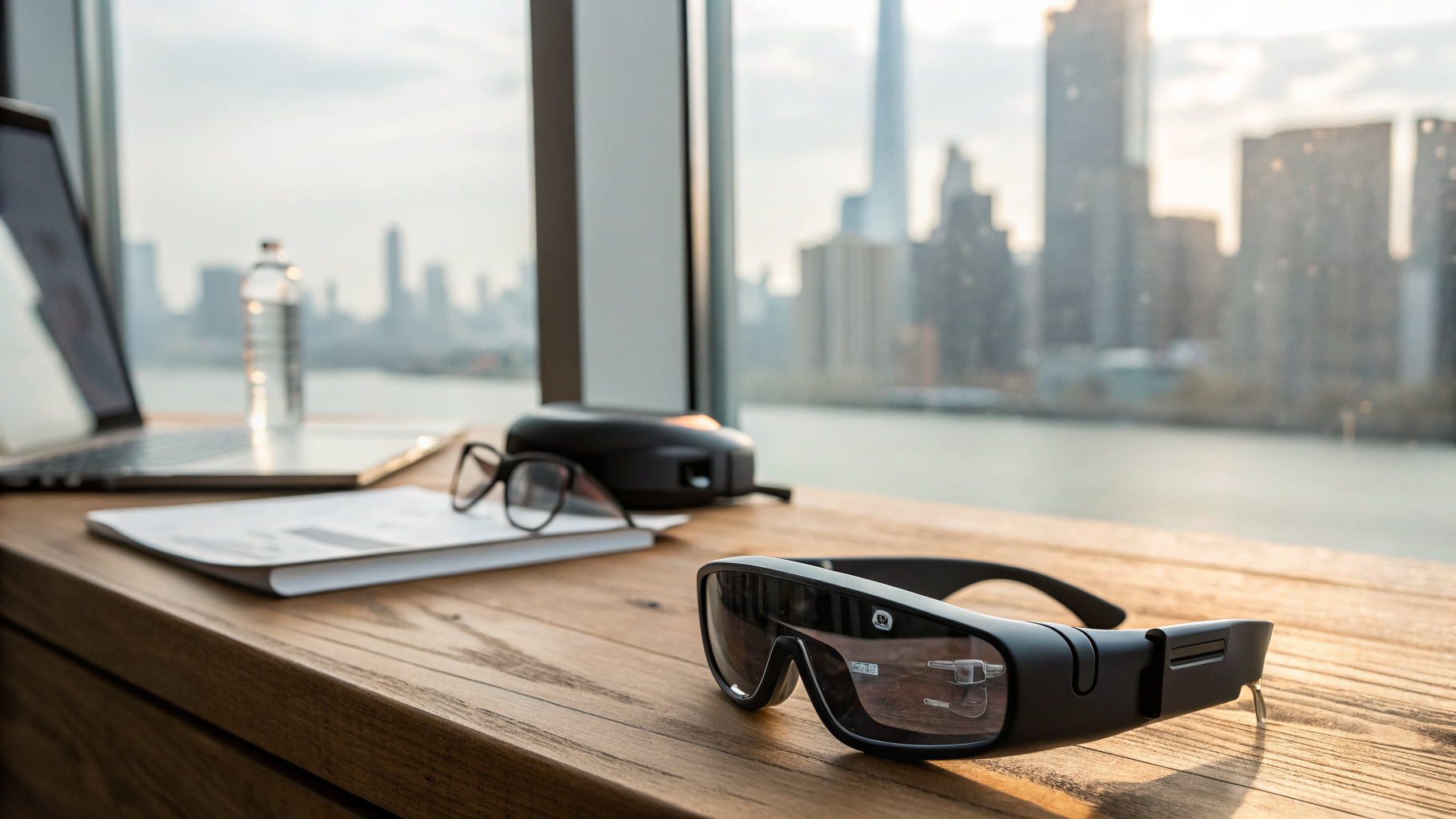
XREAL just announced a new sub-brand in China called XBX, and with it came the XBX A01—the company’s cheapest XR glasses yet. On paper, this is a play for volume. In practice, it’s a naming choice that feels less like strategy and more like a dare to the legal departments of Microsoft, Sony, and anyone else with an Xbox trademark in their back pocket.
Let’s be clear: I’m not a lawyer. But I’ve covered enough trademark dust-ups in this space to know that XBX is a name that practically screams “cease and desist.” XREAL already tangled with Apple over the “Air” name. Now they’re back with a moniker that sounds like a budget Xbox spin-off. Either they have a very good legal team, or they’re operating on the “better to ask forgiveness than permission” model. I suspect the latter.
The XBX A01 itself? It’s interesting. Fifty-degree field-of-view, HDR10 support, real-time SDR-to-HDR conversion. That’s respectable for a device that’s supposedly the cheapest in the lineup. But here’s the thing: cheap AR glasses aren’t new. We’ve seen Nreal (now XREAL, irony noted) do this dance before. The real question isn’t whether the specs are good enough—it’s whether anyone outside of China will ever see them under this name.
What’s in a Name? Possibly a Lawsuit
Trademark disputes in tech are like bad sequels: predictable, exhausting, and we keep watching anyway. Remember when XREAL was Nreal? The company rebranded after a legal scuffle with Epic Games over the “Nreal” name sounding too close to “Unreal.” That was a whole thing. Now they’re launching XBX, which is one consonant away from Xbox. I can almost hear Microsoft’s legal team sharpening their pencils.
To be fair, XBX might never leave China. The press release is explicitly about the Chinese market, and trademark laws there are… let’s say, different. But if XREAL has ambitions to bring these glasses westward—and why wouldn’t they, given the global AR push—they’re going to run into problems. The Xbox brand is one of the most recognizable in gaming. You don’t get to squat on “XBX” without someone noticing.
What struck me here is the pattern. XREAL seems to enjoy living dangerously close to established brands. First “Nreal” and “Unreal.” Then “Air” and Apple’s “Air” lineup. Now “XBX” and “Xbox.” I’m not saying it’s deliberate, but it’s hard to ignore. Maybe it’s a marketing tactic to generate buzz. Maybe it’s just sloppy. Either way, it’s a gamble that could cost them down the road.
The Glasses: Budget AR That Actually Works?
Let’s talk hardware, because the XBX A01 deserves some real attention beyond the name drama. At 50 degrees FOV, it’s not going to blow anyone away—Meta’s Quest 3 does better for mixed reality, and even XREAL’s own Air 2 Ultra has a wider field. But for a budget device, 50 degrees is acceptable. The HDR10 support and SDR-to-HDR conversion are nice touches, especially for media consumption. These are glasses you wear to watch movies or play games on a virtual big screen, not to roam around in full augmented reality.
What’s missing? Controllers, for one. The XBX A01 appears to be a display-only device, relying on your smartphone or a separate compute unit for processing. That’s fine for passive experiences, but it limits interactivity. You’re not going to be manipulating 3D objects or playing gesture-based games. This is AR-lite, and I think that’s okay for the price point—if the price point is actually low enough.
We don’t have a firm price yet, but “cheapest yet” from XREAL probably means under $400. That puts it in competition with the likes of the TCL RayNeo Air 2 and even some refurbished Quest 2 units. The question is whether the XBX A01 offers enough to justify not just buying a Quest 2, which gives you full VR plus some AR passthrough. For media consumption, the XBX might be lighter and more comfortable. For anything else, it’s a harder sell.
Why Cheap AR Matters (Even If It’s Not Revolutionary)
I’ve been writing about AR and VR for over a decade, and one thing hasn’t changed: price is the biggest barrier to adoption. The $3,500 Apple Vision Pro is a marvel of engineering, but it’s not going to put AR in everyone’s hands. Cheap glasses like the XBX A01 are the real bridge to mass adoption. They’re not flashy, they’re not groundbreaking, but they’re affordable enough that people might actually buy them.
That said, I’m wary of the “cheap AR will save us all” narrative. We’ve seen this before with Google Cardboard and the first wave of smartphone VR. Cheap hardware can drive adoption, but if the experience is mediocre, people try it once and put it in a drawer. The XBX A01 needs to be good enough that people keep using it. The HDR support and 50-degree FOV are steps in the right direction, but the real test is comfort, battery life, and software ecosystem.
And software is where XREAL has historically struggled. Their Nebula platform is functional but not exactly polished. Developers haven’t flocked to it the way they have to Meta’s Horizon OS or even Apple’s visionOS. If the XBX A01 launches with a weak app library, it’s going to be a hard sell even at a low price. Glasses without content are just fancy sunglasses.
The Metaverse Angle: Is XREAL Still Betting on the Hype?
You can’t write about AR glasses in 2025 without mentioning the metaverse, even if the term has become a punchline. XREAL has been careful to position itself as a “spatial computing” company rather than a metaverse company, but the distinction is blurry at best. The XBX sub-brand feels like a bid to capture the casual user—the person who isn’t buying into the Zuckerberg vision but might want a bigger screen for their phone.
In my view, that’s smart. The metaverse hype cycle has peaked and crashed, and the survivors are the ones who focus on practical use cases. XREAL is selling a personal display, not a portal to a digital utopia. That’s refreshingly honest. But it also means the XBX A01 is competing with projectors, tablets, and big-screen TVs, not just other headsets. That’s a crowded market, and AR glasses are still a niche form factor.
Will the metaverse ever go mainstream? I don’t know, and honestly, I’m tired of pretending anyone has a clear answer. What I do know is that devices like the XBX A01 will either prove that AR has a future beyond enterprise and enthusiast circles—or they’ll become another footnote in the long, slow march toward a reality that never quite arrives.
Final Thoughts: Interesting Device, Risky Branding
So where does this leave us? The XBX A01 is a solid entry in the budget AR space, with decent specs and a price that might finally make these glasses accessible to more than just early adopters and developers. But the XBX name is a ticking time bomb. If XREAL tries to bring this brand to the US or Europe, they’re going to face legal challenges that could delay or derail the launch entirely.
I’d love to see the XBX A01 succeed on its own merits. Cheap AR glasses that actually work could be a stepping stone to something bigger. But the branding feels like a self-inflicted wound, and in an industry already struggling with consumer trust and regulatory hurdles, that’s the last thing XREAL needs.
Then again, maybe I’m overthinking it. Maybe XBX will stay in China, sell a million units, and never cause a ripple in the West. Or maybe Microsoft’s lawyers are already drafting a strongly worded letter as we speak. Either way, I’ll be watching. And I’ll probably be writing about it.
Further Reading
Read the original story on Road to VR: XREAL Launches AR Glasses Sub-brand That Could Cause Another Trademark Dispute
Original source: read the full article