The Ghost of XR Past
Seven years is a long time in tech. In 2019, when Acer quietly shipped its last Windows Mixed Reality headset, the OJO 500, the phrase ‘metaverse’ still sounded like a nerdy punchline. Now Acer is wading back into the XR pool with two new devices: a pair of AR glasses and a pair of ‘smart glasses.’ And I’ll be honest—my first reaction wasn’t excitement. It was a question: Why now?
The company’s official line is about ‘renewed focus on spatial computing,’ which is corporate-speak for ‘we noticed Apple and Meta are making money here.’ But Acer isn’t Apple. It’s not even HTC. It’s a hardware company that built its reputation on cheap laptops and monitors, and its last VR headset was a lukewarm business-to-business play. So when I saw the press release, I felt a little like bumping into an old colleague at a bar who says they’re ‘getting back into the game’—and you’re not sure if they ever left on good terms.
Let’s be clear: Acer never dominated XR. The OJO 500 was a decent piece of kit for its time—modular, with a detachable visor and a focus on hygiene for multi-user setups. But it didn’t sell. The Windows Mixed Reality ecosystem was a graveyard of good intentions, and Acer’s headset was just another tombstone. So why does the company think 2025 is different?
What We Actually Know
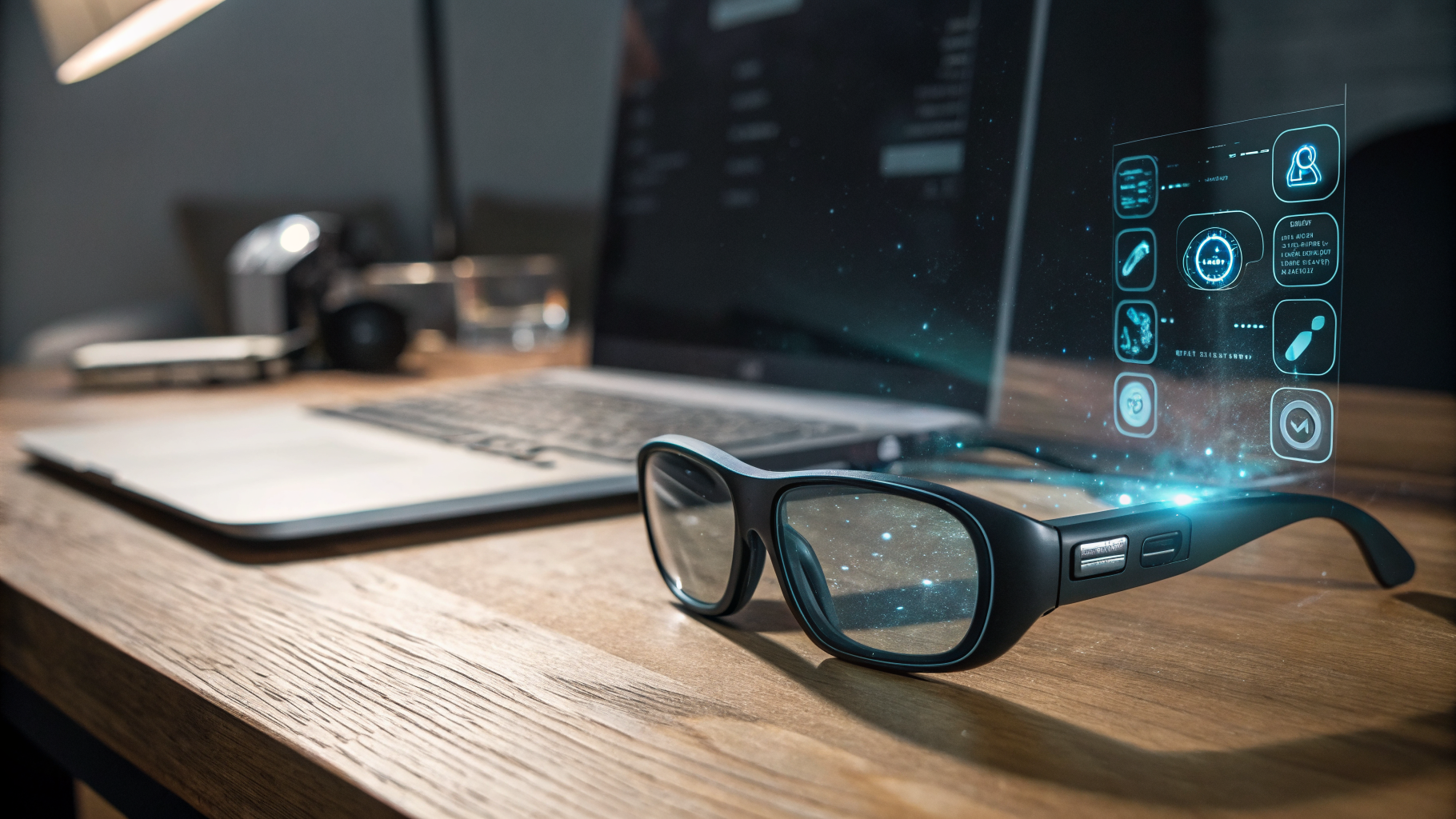
Details are still sparse, but here’s what Road to VR reported: Acer showed off two new glasses at a private event. One is an AR model that overlays digital information onto the real world, likely aimed at industrial or enterprise use. The other is a ‘smart glasses’ device that seems more consumer-friendly—think notifications, navigation, and maybe a camera. Neither is a full VR headset. Neither is trying to compete with the Quest 3 or Apple Vision Pro on raw specs.
That’s smart. Acer isn’t stupid; it knows it can’t out-Apple Apple. But the smart glasses market is already crowded with players like Meta (Ray-Ban Stories), Xreal, and even Google (with its upcoming Android XR push). So where does Acer fit? The company is positioning these as ‘productivity tools,’ which is a fancy way of saying ‘we want to sell them to companies that buy in bulk.’
What struck me here is the design. From the leaked images, the AR glasses look boxy and utilitarian—like something a factory worker would wear, not a fashion statement. The smart glasses are sleeker, but they still have that ‘early 2010s Google Glass’ vibe. I’m not saying they’re ugly, but they’re not going to make anyone forget about the Ray-Ban Meta collab.
The XR Market in 2025: A Mess of Niches
To understand Acer’s move, you have to look at the broader landscape. The XR market has fragmented into three distinct lanes:
- High-end VR/MR: Apple Vision Pro, Meta Quest Pro, HTC Vive XR Elite. These are expensive, powerful, and mostly for developers or early adopters.
- Consumer smart glasses: Meta’s Ray-Ban Stories, Amazon’s Echo Frames. These are lightweight, cheap, and focused on audio and notifications.
- Enterprise AR: Microsoft HoloLens, Magic Leap, Vuzix. These are ugly, expensive, and sold to logistics companies and hospitals.
Acer’s new glasses seem to straddle the second and third lanes, which is a dangerous place to be. Consumer smart glasses require mass appeal and a killer app that doesn’t exist yet. Enterprise AR requires long sales cycles and custom software. Trying to do both usually means you do neither well.
But here’s the thing: Acer has a distribution network. It sells to schools, businesses, and governments through its laptop and monitor channels. If you’re a warehouse manager looking to test AR for inventory tracking, you might already have a relationship with Acer. That’s a foothold. It’s not sexy, but it’s real.
The Software Problem Nobody Talks About
Hardware is only half the battle. The reason Meta’s Quest line succeeded is that Meta poured billions into software—the OS, the store, the developer tools. Apple Vision Pro has the best software ecosystem in XR because Apple controls every layer. Acer? It’s relying on Google’s Android XR platform, which is still in its infancy. That’s a gamble.
I’ve used enough Android-based AR glasses to know the experience is janky. The tracking drifts. The app selection is thin. The battery life is measured in hours, not days. Acer can’t fix these problems alone. It needs Google to deliver on its promises, and Google has a track record of abandoning projects (remember Google Glass Enterprise Edition 2? It’s dead).
So here’s my hot take: Acer’s re-entry is less about vision and more about hedging. The company sees the XR market growing and doesn’t want to be left behind. It’s a classic ‘throw something at the wall and see if it sticks’ strategy. And maybe that’s fine. Not every XR device needs to be a home run. Sometimes a single is enough to keep the innings going.
Is There an Audience for This?
Let’s talk about the elephant in the room: who actually wants Acer-branded glasses? The enthusiast crowd has already chosen sides—Quest for gaming, Apple for luxury, Xreal for minimalists. The enterprise crowd is loyal to Microsoft and Magic Leap. Acer’s brand has zero cachet in XR. None. When I told a friend that Acer is making a new AR headset, they asked, ‘Wait, Acer still exists?’ That’s the mountain they have to climb.
But I’ll play devil’s advocate. Maybe Acer is targeting a specific niche: education. Schools loved the OJO 500 because it was cheap and easy to clean. If Acer can make a $300 AR glasses for classrooms—something that lets students see 3D models of molecules or historical artifacts—that could actually sell. It’s not sexy, but it’s a use case. And Acer knows how to sell to schools.
Alternatively, these could be ‘glorified notification displays’ for office workers. Think of it as a second screen for your face. You wear them during meetings to see your calendar or Slack messages without looking at your phone. That’s not revolutionary, but it’s practical. And if the price is right (under $500), some people might bite.
The Meta Factor
You can’t talk about smart glasses in 2025 without mentioning Meta. The Ray-Ban Stories sold over a million units, which is tiny by phone standards but massive for glasses. Meta proved there’s a market for camera-equipped, AI-powered eyewear that doesn’t look ridiculous. Acer’s challenge is that Meta has infinite money, a strong partnership with EssilorLuxottica, and a built-in AI assistant (Meta AI) that’s already improving.
Acer has none of that. Its glasses will likely launch with basic features—turn-by-turn navigation, photo capture, maybe some Spotify integration. That’s not enough to compete. Unless Acer has a secret weapon (and I doubt it), these glasses will be a tough sell to consumers. The enterprise angle is smarter, but even there, Acer faces entrenched players like RealWear and Vuzix.
What I find interesting is the timing. Acer is re-entering XR just as the hype cycle is cooling. The metaverse bubble burst. Apple Vision Pro sales are disappointing. Even Meta is quietly pivoting to AI wearables instead of VR. It feels like Acer is arriving at a party that’s already winding down. But maybe that’s the point. Maybe they’re betting on the long tail—the years of steady, unsexy enterprise adoption that will eventually dwarf the consumer market.
My Verdict: Cautiously Skeptical
I want Acer to succeed. I really do. More competition in XR is good for everyone—it drives prices down and innovation up. But I can’t shake the feeling that this is a half-hearted attempt. Acer didn’t announce a release date. It didn’t show working prototypes to journalists. It held a private event with vague promises. That’s not confidence; that’s testing the waters.
If I were Acer, I would focus on one thing: making the smart glasses truly comfortable and useful for a 9-to-5 workday. Forget gaming. Forget the metaverse. Sell them as a productivity tool for people who hate looking at their phones. Make them lightweight, with 8-hour battery life, and integrate deeply with Google Workspace. That’s a niche worth owning.
But that’s a big if. Acer has a habit of spreading itself thin. It sells laptops, monitors, gaming PCs, Chromebooks, and now XR glasses. Where’s the focus? The best hardware companies—Apple, Sony, even Valve—pick a lane and go deep. Acer goes wide and shallow.
So here’s where I land: Acer’s re-entry is interesting, but not exciting. It’s a reminder that the XR market is still in its messy adolescence, where even old players can’t resist dipping a toe back in. I’ll keep an eye on these glasses, but I’m not holding my breath. If they launch at a killer price and actually work, I’ll eat my words. Until then, I’m filing this under ‘wait and see.’
And hey, maybe that’s the most honest take I can offer. Acer is back in XR. The question is whether anyone will be there to welcome them.
Further Reading
Read the original story on Road to VR: Acer Re-enters XR with New AR & Smart Glasses
Original source: read the full article