
VR for Education: 5 Game-Changing Benefits Uncovered
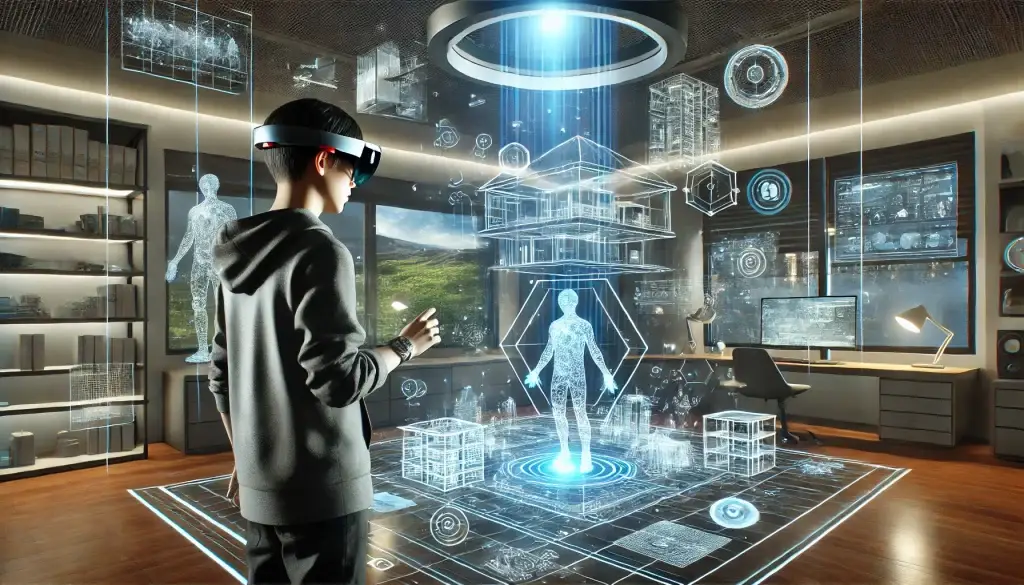
VR for education and research is no longer a futuristic idea — it’s reality. In the first few minutes of using a VR headset, students can dissect a virtual frog, explore ancient ruins, or step into a molecule. Researchers, on the other hand, are now conducting complex experiments in simulated environments that save time, cost, and even lives. As immersive technology rapidly matures, educators and scientists alike are rethinking the way we teach, learn, and investigate the world. This article dives into real-world stories, transformative applications, and how virtual reality is shaping the future of academia and innovation.