

Post‑Quantum Cryptography: Securing Data in the Quantum Era
Introduces post-quantum cryptography and explains why new encryption methods are needed to resist quantum attacks.
Discover the future of artificial intelligence, from autonomous agents to generative models powering virtual worlds.
Introduces post-quantum cryptography and explains why new encryption methods are needed to resist quantum attacks.
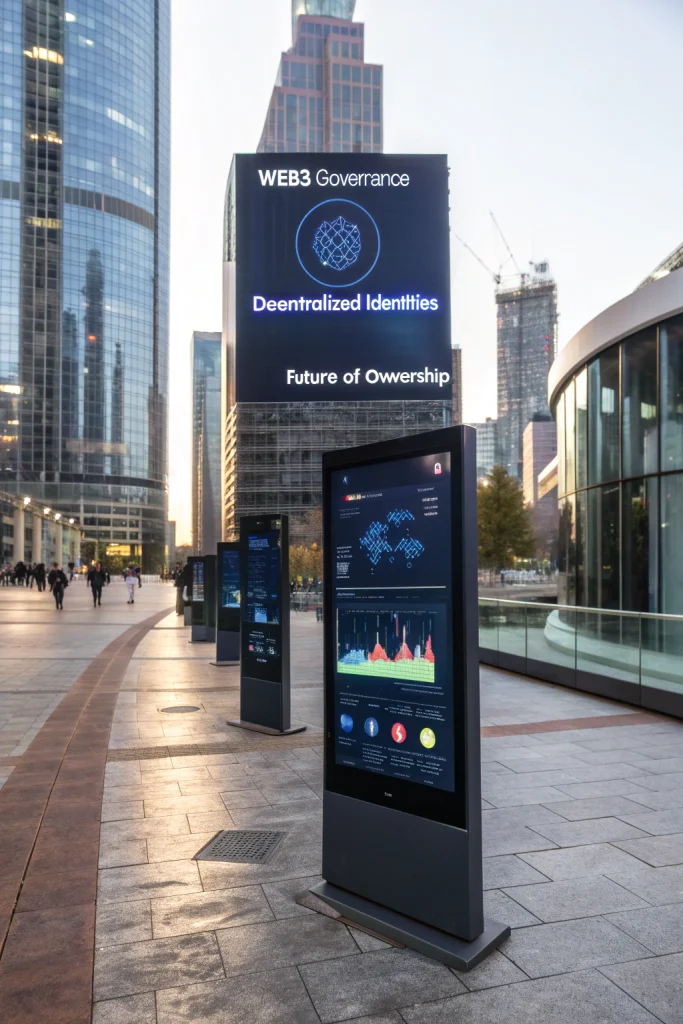
Discusses decentralized governance models, self-sovereign identities and new ownership structures enabled by Web3.
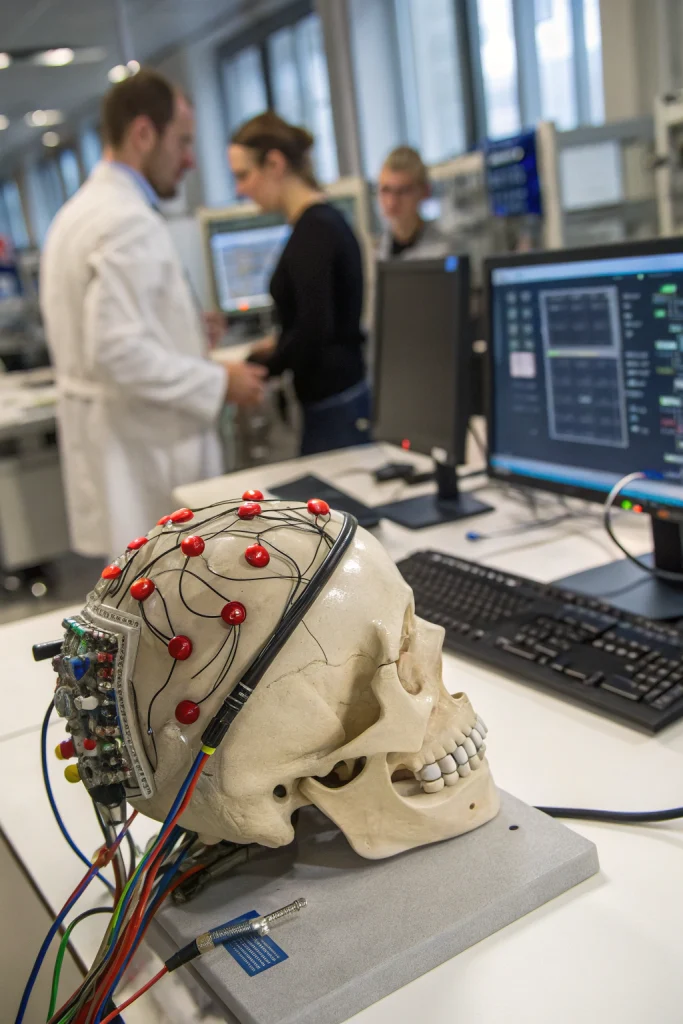
An introduction to brain‑computer interfaces and how they enable direct communication between the brain and devices.
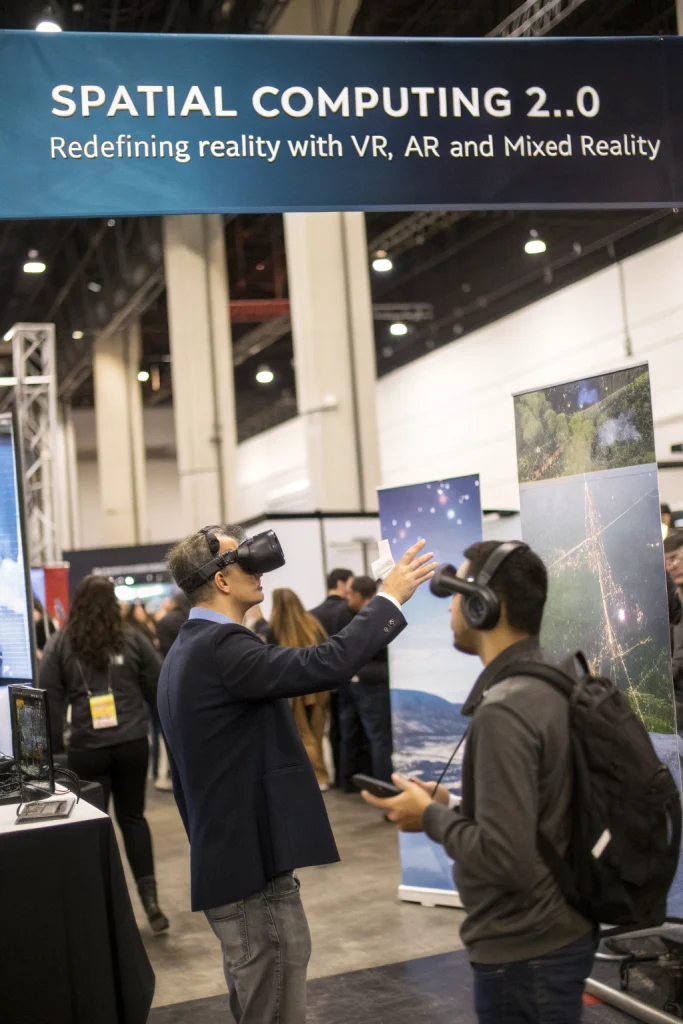
Explains how spatial computing integrates VR and AR to create immersive environments for work and play.
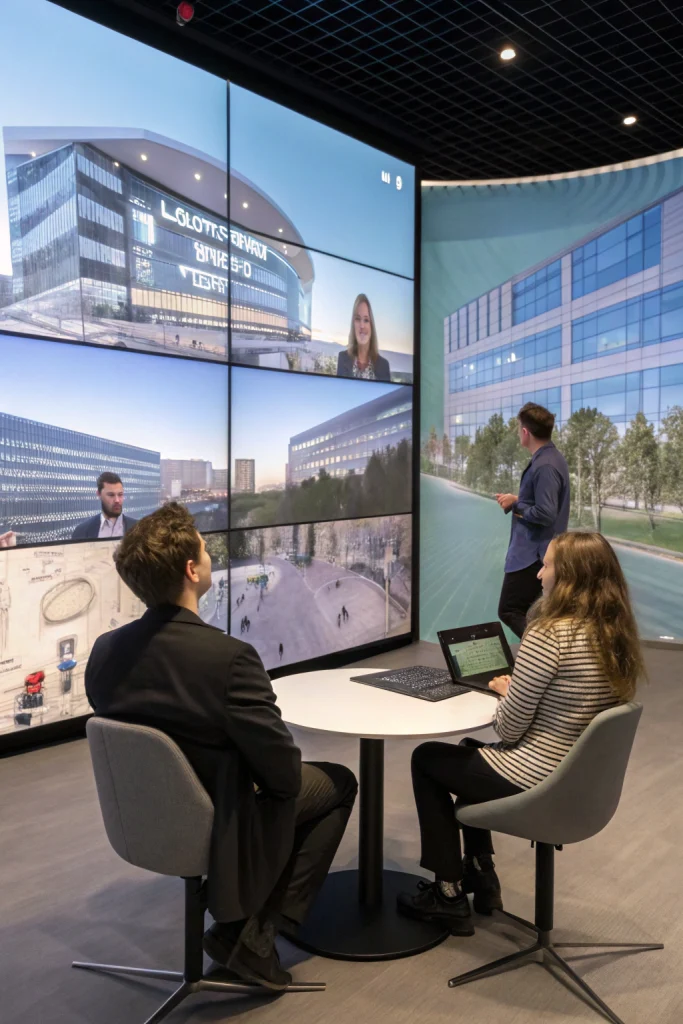
Looks at how 3D virtual offices in the metaverse can increase engagement and collaboration for remote teams.
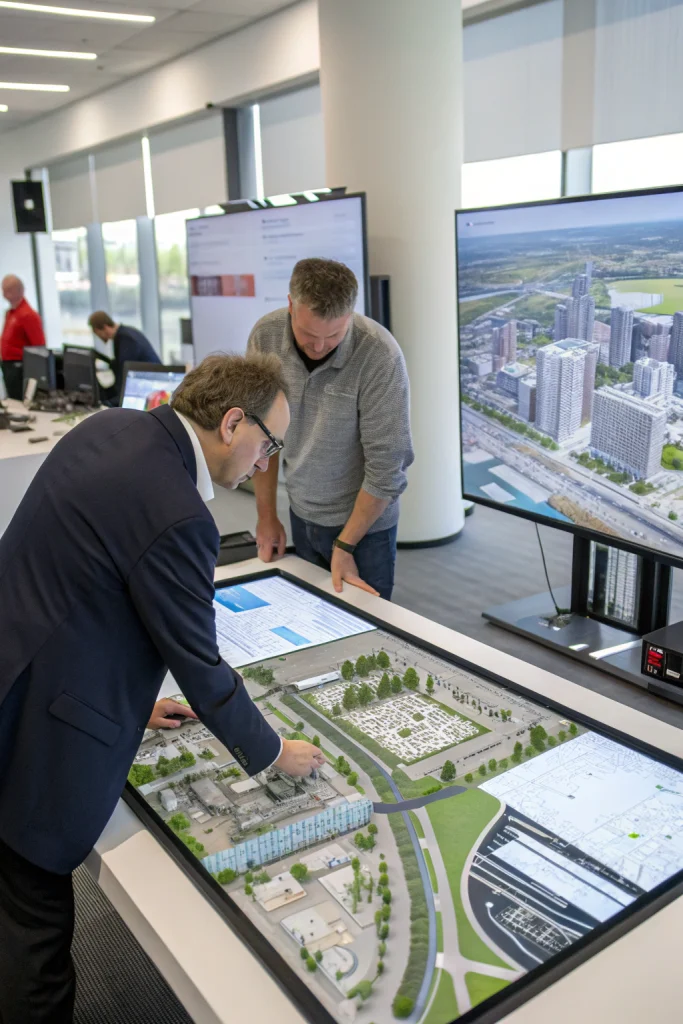
Explores how digital twins provide real-time virtual models to optimize planning and infrastructure in smart cities.
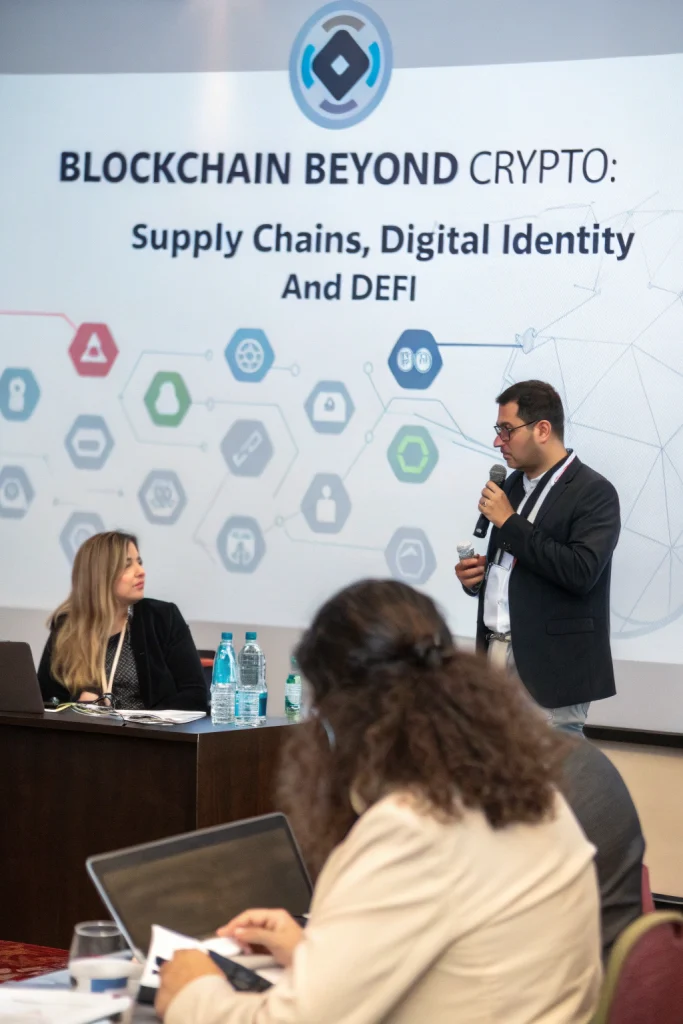
Explores blockchain applications beyond cryptocurrency, including supply chain tracking, digital identities and decentralized finance.

Highlights emerging digital twin use cases in healthcare and industrial sectors beyond manufacturing.
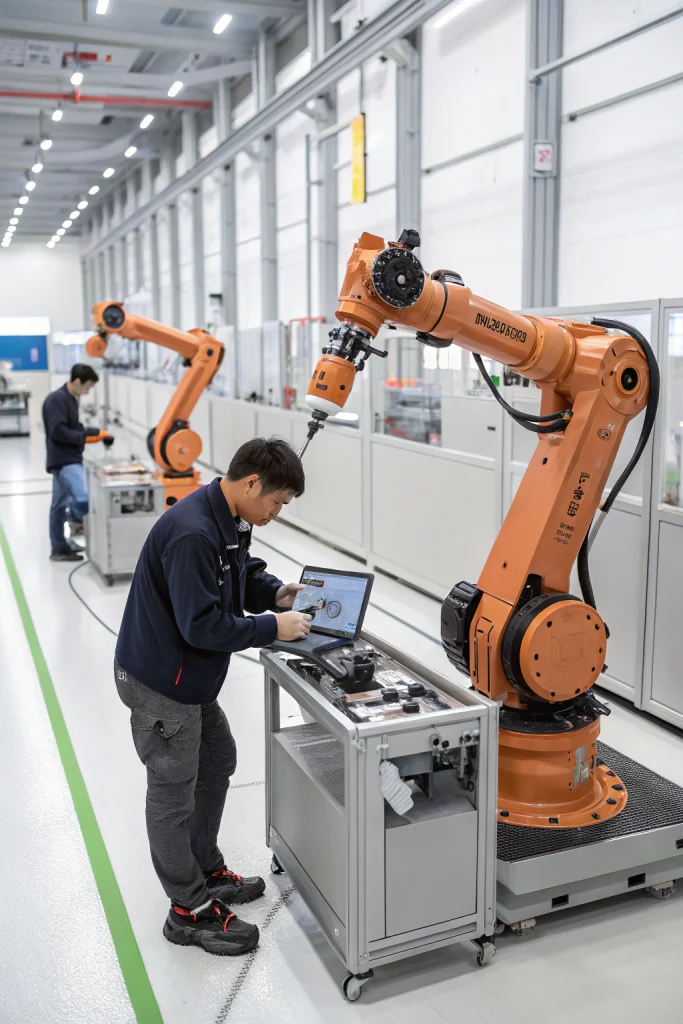
Describes how next-generation robots can perform multiple tasks and collaborate seamlessly with humans.

Explores the rise of AI-generated disinformation and the regulatory and technological solutions to combat it.