
Emotional Intelligence in AI: Building Machines That Truly Understand You
Introduction
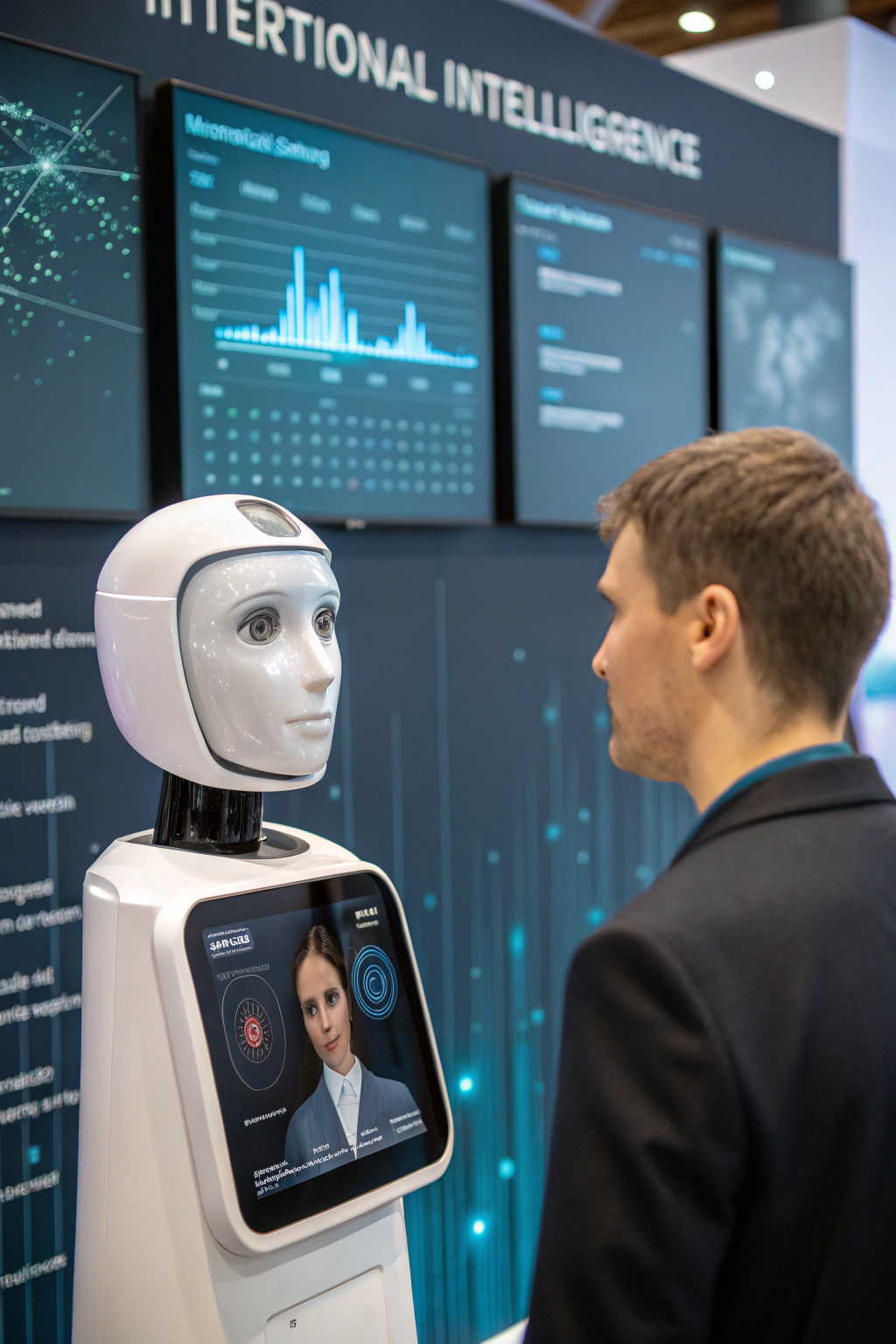
Imagine a world where your digital assistant not only schedules your appointments but also senses the stress in your voice and suggests a five-minute meditation. Picture a learning app that recognizes a student’s frustration and offers a different way to explain a difficult concept. This isn’t science fiction; it’s the rapidly advancing frontier of emotional intelligence AI. This new wave of technology, often called affective computing, is focused on creating empathetic machines capable of recognizing, interpreting, and responding to human emotions. We’re moving beyond AI that simply processes commands to AI that truly understands our human experience.
Background and Evolution
The concept of machines understanding human emotion has been a staple of fiction for decades, but its scientific roots are more recent. The field of affective computing was formally pioneered in the 1990s by Professor Rosalind Picard at the MIT Media Lab. Her seminal work laid the groundwork for developing systems that can detect emotional cues from various sources, including facial expressions, vocal tone, physiological signals, and even text.
Initially, emotion detection was rudimentary, often relying on simplistic markers. Early systems might incorrectly label a grimace of concentration as anger or a polite smile as genuine happiness. However, advancements in machine learning, deep neural networks, and access to massive datasets have propelled the technology forward. Today’s systems can analyze micro-expressions, subtle shifts in vocal pitch, and the sentiment behind our typed words with increasing accuracy. This evolution from basic sentiment analysis to nuanced emotional understanding is what defines modern emotional intelligence AI. To learn more about its origins, you can explore the foundational research from the MIT Affective Computing Group.
Practical Applications
The applications for empathetic machines are vast and transformative, extending far beyond more personable chatbots. This technology is being integrated into critical sectors to improve safety, health, and user experience.
Use Case 1: Reinventing Customer Experience
In customer service, emotional intelligence AI analyzes a customer’s voice during a support call. It can detect rising frustration, stress, or disappointment in real-time. This allows the system to provide live feedback to the human agent, suggesting de-escalation tactics or automatically routing the call to a specialized team. By addressing the customer’s emotional state, companies can reduce churn, improve satisfaction, and empower their agents to handle difficult conversations more effectively.
Use Case 2: Enhancing Mental Health and Wellness
Affective computing is making significant inroads in mental healthcare. AI-powered apps can serve as mental wellness companions, using a phone’s camera and microphone to track emotional patterns over time. By analyzing facial expressions and speech, these tools can identify early signs of depression or anxiety, prompting the user to seek professional help or engage in mindfulness exercises. This provides a scalable, accessible first line of support for mental well-being.
Use Case 3: Advancing Automotive Safety
Leading automotive companies are integrating emotion AI into driver monitoring systems. An in-car camera can track a driver’s head position, eye-gaze, and facial expressions to detect signs of drowsiness, distraction, or even a medical emergency like a heart attack. If the system detects a critical issue, the car can take proactive safety measures, such as issuing an alert, tightening the seatbelt, or even pre-charging the brakes. These empathetic machines are turning our vehicles into proactive safety guardians.
Challenges and Ethical Considerations
Despite its promise, the rise of emotional intelligence AI brings a host of ethical challenges that we must navigate carefully. One of the most significant issues is algorithmic bias. If an AI model is trained on data that predominantly represents one demographic, it may misinterpret the emotional expressions of people from other cultures or backgrounds, leading to unfair or incorrect outcomes in areas like hiring or criminal justice.
Data privacy is another paramount concern. Emotional data is perhaps the most personal data we have. Who owns it? How is it stored and protected? The potential for misuse is enormous, from manipulative advertising that preys on emotional vulnerability to surveillance by authoritarian regimes. Without robust regulations and transparent policies, we risk creating a world where our innermost feelings are commodified and exploited. Furthermore, the risk of misinformation increases if these tools are used to create emotionally manipulative deepfakes or propaganda, making it harder to discern authentic human interaction from synthetic persuasion.
What’s Next?
The future of affective computing is poised for explosive growth, moving from simple emotion recognition to genuine emotional rapport.
In the short term (1-3 years), we will see more sophisticated emotion AI integrated into everyday consumer devices, from smart speakers that adjust their tone based on your mood to educational software that adapts to a student’s engagement level.
In the mid-term (3-7 years), expect to see breakthroughs in robotics. Companies like Hume AI are already developing models that understand not just words but the complex emotional tones and “vocal bursts”—laughs, sighs, gasps—that color our speech. This will lead to more naturalistic social robots for elder care, companionship, and therapeutic applications.
In the long term (10+ years), the goal is to build truly empathetic machines that can form long-term, trusted relationships with humans. These systems could act as personalized life coaches, mental health advocates, and creative collaborators, possessing a deep, longitudinal understanding of an individual’s emotional life.
How to Get Involved
You don’t need to be a data scientist to engage with this fascinating field. There are many accessible ways to learn and participate. You can explore free online courses on AI and machine learning on platforms like Coursera. For developers, communities like Hugging Face offer pre-trained models and datasets for sentiment analysis. For broader discussions on the societal impact of AI, forums like Reddit’s r/singularity provide a platform for debate and learning. As these technologies converge with virtual spaces, you can learn more about the metaverse and virtual worlds to understand where human and AI interaction is headed.
Debunking Myths
As with any transformative technology, myths and misconceptions about emotional intelligence AI abound. Let’s clear up a few.
- Myth: AI Can Actually “Feel” Emotions. This is the most common misunderstanding. Emotion AI does not experience feelings like joy or sadness. It is a sophisticated pattern-recognition system that has been trained to associate certain data inputs (like a smile or a raised vocal pitch) with an emotion label. It’s simulation, not sentience.
- Myth: Affective Computing is Only for Chatbots. While chatbots are a popular application, the technology’s reach is far wider. It’s being used in healthcare diagnostics, automotive safety, market research to gauge audience reactions to ads, and in recruitment to analyze candidate interviews.
- Myth: Emotion Recognition is Completely Accurate. Current technology is impressive but far from perfect. It can struggle with cultural nuances in expression, subtle or mixed emotions, and deliberate deception. Accuracy rates vary wildly depending on the application and the quality of the data.
Top Tools & Resources
For those looking to dive deeper into the technical side of affective computing, several platforms and toolkits are leading the way.
- Hume AI: This startup offers an API that measures hundreds of dimensions of vocal expression. It’s a powerful tool for developers who want to build applications that respond to the rich nuances of human speech beyond just the words.
- Affectiva (part of Smart Eye): A pioneer in the field, Affectiva provides an SDK for analyzing facial expressions and emotions from video. It’s widely used in market research, gaming, and automotive industries to get real-time feedback on user emotional states.
- Intel’s OpenVINO Toolkit: This is a free toolkit for developers looking to optimize AI models, including emotion detection models, for high performance on various hardware. It helps bring affective computing applications from the lab to real-world devices efficiently.
Conclusion
Emotional intelligence AI is more than just a technological novelty; it’s a fundamental shift in how we will interact with technology. By building empathetic machines, we have the potential to make our digital world more intuitive, supportive, and safe. However, this power comes with a profound responsibility to develop and deploy affective computing ethically, ensuring it serves humanity rather than exploits it. The journey ahead involves not only technical innovation but also critical public discourse and thoughtful regulation. The result could be a future where technology doesn’t just work for us, but understands us.
🔗 Discover more futuristic insights on our Pinterest!
FAQ
What is the primary goal of emotional intelligence AI?
The primary goal is not to make AI “feel” emotions, but to enable technology to recognize, interpret, and appropriately respond to human emotional cues. This allows for more natural, effective, and empathetic human-computer interaction across various applications like healthcare, customer service, and education.
Are there laws that regulate affective computing?
Currently, the regulation of affective computing is still in its infancy and varies by region. While general data privacy laws like GDPR in Europe offer some protection over personal data (which can include emotional data), specific laws governing the collection and use of emotional information are not yet widespread. This is a major area of ongoing ethical and legal debate.
Can empathetic machines replace human therapists or counselors?
While empathetic machines can be powerful tools for mental wellness support—offering 24/7 access to coping strategies and mood tracking—they are not a replacement for human therapists. They lack the genuine empathy, life experience, and nuanced understanding of a qualified human professional. They are best viewed as a supplemental tool to support, not replace, traditional therapy.