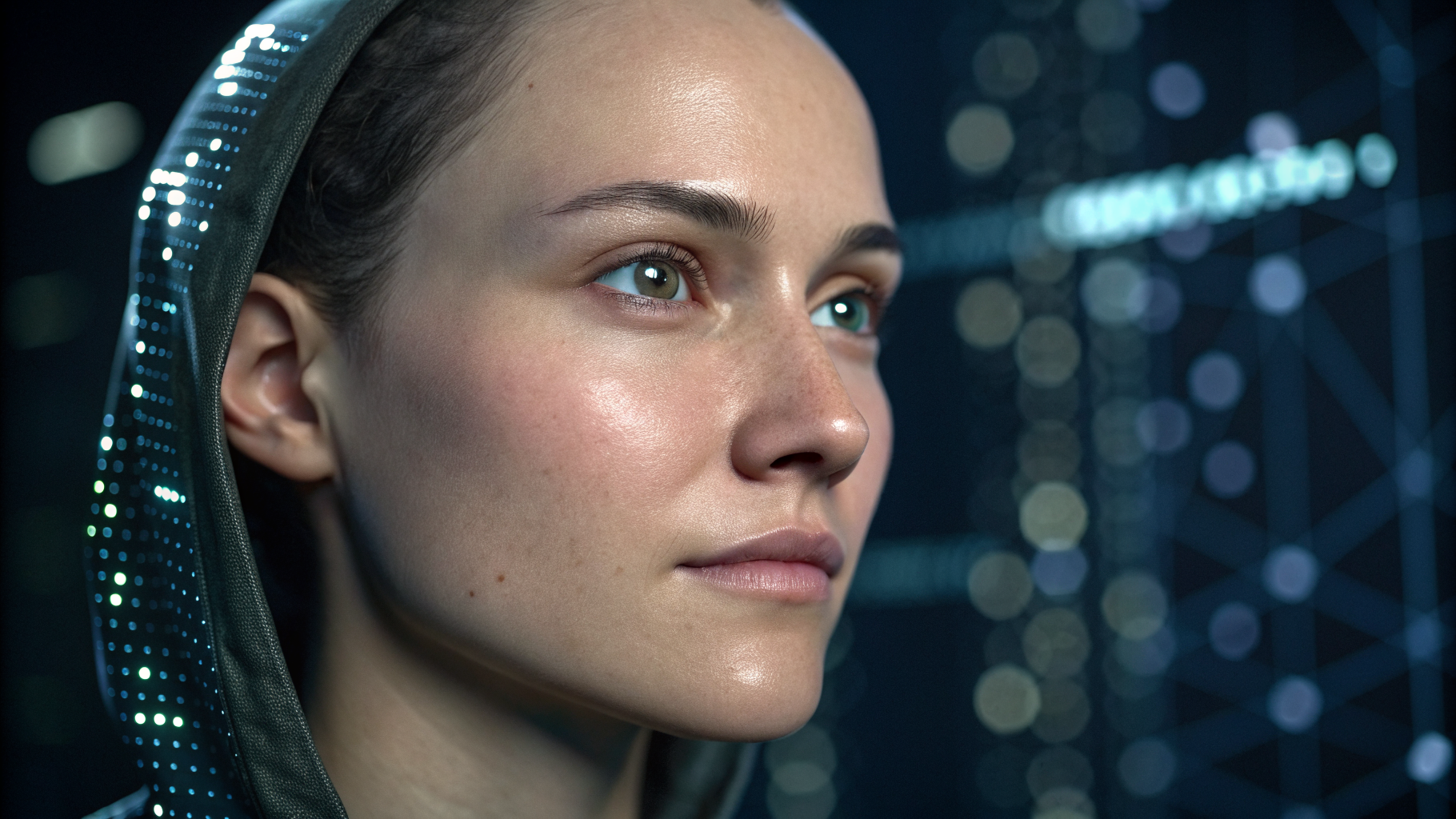
I’ve been doing this long enough to remember when Meta’s avatars looked like they’d been extruded through a potato. Legless, lifeless, vaguely unsettling. So when UploadVR reported that Meta is finally shipping realistic avatars — codenamed Hologram — I felt that familiar tug between curiosity and cynicism. After a decade of watching this company overpromise and underdeliver, I’ve learned to keep my expectations somewhere near the floor.
And yet.
The timeline is concrete this time. Shoulders-up realistic avatars are coming to Meta Ray-Ban Display, with full-body versions landing on Meta VR Glasses after that. We got a brief hands-on at Connect 2026, and I walked away with more questions than answers. That’s not necessarily a bad thing.
What Meta Actually Showed Us
The demo was short — painfully short, if I’m honest. Shoulders-up on Ray-Ban Display, then a separate full-body experience on the VR Glasses prototype. The shoulders-up version is the one that’ll ship first, and it’s clearly the more polished of the two. Meta knows this. They’re not stupid.
What struck me here was the uncanny valley problem. We’ve all seen photorealistic avatars before. Epic’s MetaHuman has been doing this for years. Apple’s Persona on Vision Pro is genuinely impressive. So Meta isn’t breaking new ground here — they’re playing catch-up with a bigger install base and a more aggressive timeline.
The shoulders-up avatar looked good. Not great. The eyes tracked correctly, the micro-expressions were there, the skin had that subsurface scattering thing that makes you forget you’re looking at a render. But there was a lag — a fraction of a second — that kept pulling me out of the illusion. Meta’s team blamed the demo conditions. Sure. I’ve heard that before.
The full-body version was rougher. Arms moved with a certain marionette quality. The legs worked, which is more than I can say for the old legless avatars, but the gait felt procedural. Like watching a very expensive NPC.
The Real Question Nobody’s Asking
Here’s what bothers me. Meta keeps selling us on the idea that realistic avatars will unlock some magical new era of connection. Meetings will feel real. Concerts will feel intimate. Your distant family will feel close. It’s a beautiful pitch.
But is any of that actually true?
I’ve spent years in VR. I’ve sat in virtual meetings with photorealistic avatars. You know what I remember? The lag. The weight of the headset. The way the whole thing felt like a performance rather than a conversation. Realism doesn’t automatically create presence. Sometimes it does the opposite — the closer you get to real, the more the tiny imperfections scream at you.
Meta’s betting that Hologram crosses that threshold. I’m not convinced. Not yet.
Why This Time Might Be Different
Okay, let me steelman the argument. There’s a real case for optimism here, and I’d be dishonest if I ignored it.
- Hardware maturity. Ray-Ban Display is a genuinely good product. The form factor works. People actually wear it in public without looking like they’re cosplaying a cyborg.
- The AI angle. Meta’s been quietly building neural rendering pipelines that make realistic avatars cheaper to generate and run. That’s the real unlock — not the visuals themselves, but the cost curve.
- Distribution. Meta has billions of users. If anyone can make realistic avatars mainstream, it’s them. Apple’s Persona is locked to a $3,500 headset. Meta’s going to put this on glasses you can buy at Best Buy.
That last point is the one that matters most. Distribution beats quality every time. Betamax was better than VHS. Nobody cares. Meta understands this better than anyone in tech.
The Privacy Elephant in the Room
Let’s talk about the thing Meta doesn’t want to talk about. Realistic avatars require realistic data. Face scans. Voice samples. Micro-expression capture. The kind of biometric information that makes privacy advocates reach for their blood pressure medication.
Meta says the data stays on-device. Meta says you control it. Meta also said a lot of things about Cambridge Analytica, so forgive me if I’m not popping champagne.
The company’s entire business model is built on knowing more about you than you know about yourself. Now they want to capture your face at a fidelity that rivals a Hollywood scanning rig. What could possibly go wrong?
I’m not saying don’t use it. I’m saying read the fine print. Twice. Then have a lawyer read it. Then read it again.
The Uncanny Valley Is a Real Place
Here’s my honest take from the demo: Meta’s realistic avatars are impressive in the way a high-end render is impressive. They’re not yet convincing in the way a real conversation is convincing. There’s a difference, and it matters.
The shoulders-up version is close. Close enough that I’d use it for a work call without feeling like a idiot. The full-body version needs another year, maybe two. The legs work, but they don’t feel alive. And when you’re trying to create genuine human connection, « the legs work » is a pretty low bar.
Meta’s framing this as a milestone. I’d frame it as a beta. A promising beta, sure. But let’s not pretend we’ve crossed the finish line when we’re still lacing up our shoes.
What This Means for the Metaverse
Remember the metaverse? That thing Meta spent $36 billion on and then quietly stopped talking about? Realistic avatars are supposed to be the missing piece. The thing that makes virtual spaces feel worth visiting.
I’m skeptical. Not because the tech isn’t good — it’s getting there. But because the problem with the metaverse was never the avatars. It was the lack of reasons to go. No killer app. No compelling social hook. No moment where you thought, « Yes, this is better than being there in person. »
Realistic avatars don’t solve that. They just make the empty room look nicer.
That said, I could be wrong. I’ve been wrong before. The iPhone looked like a toy until it didn’t. The web looked like a fad until it wasn’t. Maybe realistic avatars are the thing that finally makes virtual presence click.
Or maybe we’ll all look back in five years and wonder why we spent so much time perfecting digital faces for conversations that were better had in person.
The Verdict (For Now)
Meta’s realistic avatars are coming. The timeline is real. The tech is real. The demo was real. What’s less clear is whether any of it matters.
I think shoulders-up avatars on Ray-Ban Display will find an audience. Probably a big one. They’re good enough for casual calls, and the form factor is genuinely compelling. Full-body on VR Glasses is further out and less certain. It needs to be better than it is now, and Meta needs to convince people that a photorealistic body is worth the privacy trade-off.
Am I excited? Not exactly. Am I intrigued? Yeah, I am. The gap between those two feelings is where Meta’s real challenge lives.
They’ve built the tech. Now they need to build the reason.
And that, more than any rendering pipeline, is the hard part.
Original source: read the full article