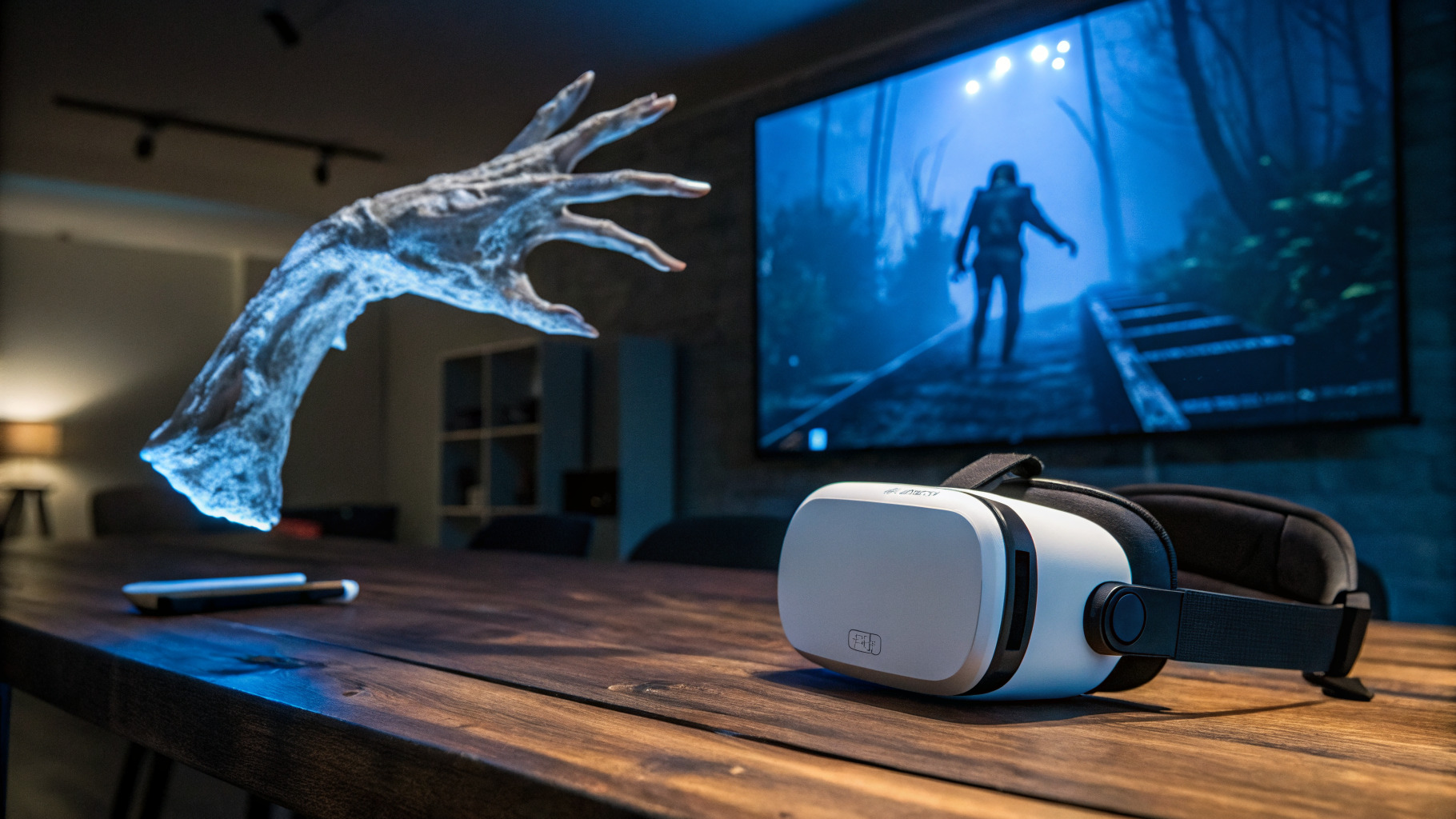
Another One Bites the Dust, Faster Than Ever
Remember Survive The Night? I barely do, and that’s the problem. Less than two months after The Binary Mill proudly announced its free-to-play multiplayer VR zombie shooter, the studio has effectively pulled the plug. The game is on ‘indefinite hiatus’ — which in the polite language of game development means dead. Buried. Gone.
Let’s be honest: a VR game dying isn’t news anymore. We’ve seen it happen to far bigger names. But two months? That’s a new kind of speedrun. The Binary Mill didn’t even give the hype a chance to cool off. The announcement post on Steam is still warm, and already the studio is telling players to move on.
What struck me here isn’t just the cancellation itself — it’s the sheer velocity. This isn’t a slow fade after a rocky early access launch. This is a developer saying, ‘Hey, we have this cool idea,’ and then, practically in the same breath, ‘Actually, never mind.’ I’ve covered VR long enough to know that the market is brutal, but this feels like a new low for wasted momentum.
The Anatomy of a Fast Fail
So what happened? The official line from The Binary Mill is that they’re ‘reassessing’ their projects. That’s corporate speak for ‘this wasn’t working, and we’re cutting our losses before we burn more cash.’ But why announce it in the first place? Why tease a trailer, build a Steam page, generate a tiny flicker of interest, and then snuff it out?
I think the answer is simpler than we want to admit: panic. The VR games market is a bloodbath right now. Meta is tightening its purse strings, Quest store discoverability is a nightmare, and free-to-play multiplayer games are the most expensive gamble you can take. Every studio wants to be the next Gorilla Tag or Population: One. But for every one of those hits, there are a dozen graves.
Survive The Night was supposed to be a co-op survival shooter — think Left 4 Dead in VR, but with base-building and a free-to-play model. That sounds great on paper. In reality, it’s a crowded space. After the Fall, Arizona Sunshine 2, Into the Radius — they all have loyal fanbases. Starting from scratch with a new IP and no marketing budget is a suicide mission.
The Free-to-Play Trap
Let’s talk about that free-to-play model for a second. I’ve been writing about VR since before the Quest 1 existed, and I’ve watched the industry fall in love with F2P again and again. It’s a seductive idea: remove the price barrier, get millions of downloads, then monetize through cosmetics and battle passes. But VR doesn’t have the user base to support that. The install base is still tiny compared to mobile or PC. You’re fighting over a few million active headsets, and most users already have their favorite free games.
The Binary Mill presumably realized that their user acquisition costs would be astronomical. Why pour millions into a game that might peak at 500 concurrent players? It’s the same math that killed Echo VR (well, that and Meta’s whims). But at least Echo had years of life. Survive The Night never got a chance to breathe.
What This Says About VR in 2024
I wish I could say this is an isolated incident. It’s not. We’ve seen a wave of VR game cancellations and studio closures over the past year. Horizon Worlds is a ghost town. Cities: VR was abandoned. Even big studios like nDreams are laying people off. The narrative that VR is ‘booming’ is a fairy tale told by people selling headsets.
Look, I’m not a doom-sayer. I still believe in the long-term potential of VR. But the short-term reality is harsh. Developers are realizing that making a great VR game isn’t enough. You need a marketing engine, a viral hook, and a community manager who works 24/7. Most indies don’t have that. The Binary Mill certainly didn’t.
What frustrates me is the lack of honesty. If you’re going to cancel a game, just say it. Don’t hide behind ‘indefinite hiatus.’ That phrase is a coward’s way out. It keeps the Steam page up, collects a few wishlists, and lets the studio pretend they might come back. They won’t. And players deserve closure.
The Human Cost
Let’s not forget the people behind the game. The Binary Mill is a small studio. They probably had a team of a dozen or so folks working on Survive The Night. Those people spent months — maybe a year — building assets, designing systems, writing code. And now that work is shelved. Some of them might be out of a job. This isn’t just a business decision; it’s a career interruption for real humans.
I’ve interviewed VR developers who poured their hearts into projects that never saw the light of day. It’s gutting. And the worst part is that the industry rarely learns from these failures. The next studio will announce a free-to-play VR zombie game next week, and the cycle will repeat.
What Could Have Saved Survive The Night?
I’ll play armchair producer for a moment. If I were advising The Binary Mill, I’d have told them to skip the F2P model entirely. Charge $20 for the base game. Make it a co-op experience with a clear ending. Don’t try to be a live service. The VR audience is hungry for polished, complete games — not another endless grind with a battle pass.
Second, they should have targeted a niche. Instead of ‘zombie survival’ (which is oversaturated), they could have leaned into something weird. VR players love unique mechanics. Half-Life: Alyx succeeded because it felt fresh. Survive The Night looked like every other zombie shooter from 2016.
Third, and this is the hard one: don’t announce until you’re sure. The gaming press (myself included) loves to cover new announcements. But we’re also quick to write obituaries. A premature announcement followed by a cancellation is worse than never announcing at all. It erodes trust. Players become cynical. Why wishlist a game when it might vanish next month?
The Bigger Picture: VR’s Indie Crisis
This cancellation is a symptom of a larger disease. The VR ecosystem is not healthy for small developers. The Quest store has a black box algorithm. SteamVR is dominated by a handful of blockbusters. And the cost of development keeps rising while the addressable market stagnates.
I’ve been saying this for years: VR needs a middle class. We have mega-hits like Beat Saber and tiny experiments, but very little in between. That’s where games like Survive The Night should have lived. But the economics don’t work. A $20 game on Quest might sell 10,000 copies if you’re lucky — that’s $200,000 gross, minus platform fees, taxes, and development costs. You can’t run a studio on that.
The Binary Mill likely looked at those numbers and decided it wasn’t worth the risk. I don’t blame them. But I do blame the hype machine that convinces studios to chase trends instead of building sustainable businesses.
A Word on the ‘Indefinite Hiatus’ Euphemism
Can we retire this phrase? Please? It’s the video game equivalent of ‘we’re just taking a break’ in a relationship when everyone knows it’s over. If you’re not going to ship the game, own it. Say: ‘We’ve decided to cancel Survive The Night. We’re sorry. Here’s what we learned.’ That would be refreshing. Instead, we get corporate doublespeak that insults everyone’s intelligence.
I checked the Survive The Night Steam page while writing this. It’s still up. The trailer still plays. You can still add it to your wishlist. That feels almost cruel — like a digital ghost.
What Comes Next for The Binary Mill?
The studio isn’t dead yet. They have other projects, presumably. But the stench of this failure will linger. Investors notice. Players notice. When you cancel a game this fast, you signal that you’re either indecisive or financially unstable. Neither is a good look.
I hope The Binary Mill takes a step back and builds something smaller. Something they can actually finish. The VR community is forgiving if you deliver. But you have to deliver.
For the rest of us, this is another cautionary tale. The next time a studio announces a flashy free-to-play VR game, ask yourself: will this exist in six months? If the answer is ‘maybe,’ don’t get your hopes up. And definitely don’t pre-order.
Final Thoughts: The Cost of Hype
I started this piece asking if two months is a new low. It is. But let’s not pretend this is just about one game. It’s about an industry that overpromises and underdelivers, that rushes to announce before it’s ready, that treats players as an afterthought. Survive The Night is dead. But the pattern that killed it is still alive and well.
If you’re a VR developer reading this: please, for the love of all that is immersive, stop announcing games you aren’t sure you can finish. The VR audience is small but passionate. We’ll wait for a good game. We’ll support a Kickstarter. We’ll forgive delays. But we won’t forgive being treated like pawns in a PR cycle.
And to The Binary Mill: I’m sorry it didn’t work out. I hope the team lands on their feet. But next time, maybe keep the announcement under wraps until you’re ready to ship. The world doesn’t need another vaporware headline.
Original source: read the full article