Valve’s Back, and It’s Bringing Hardware
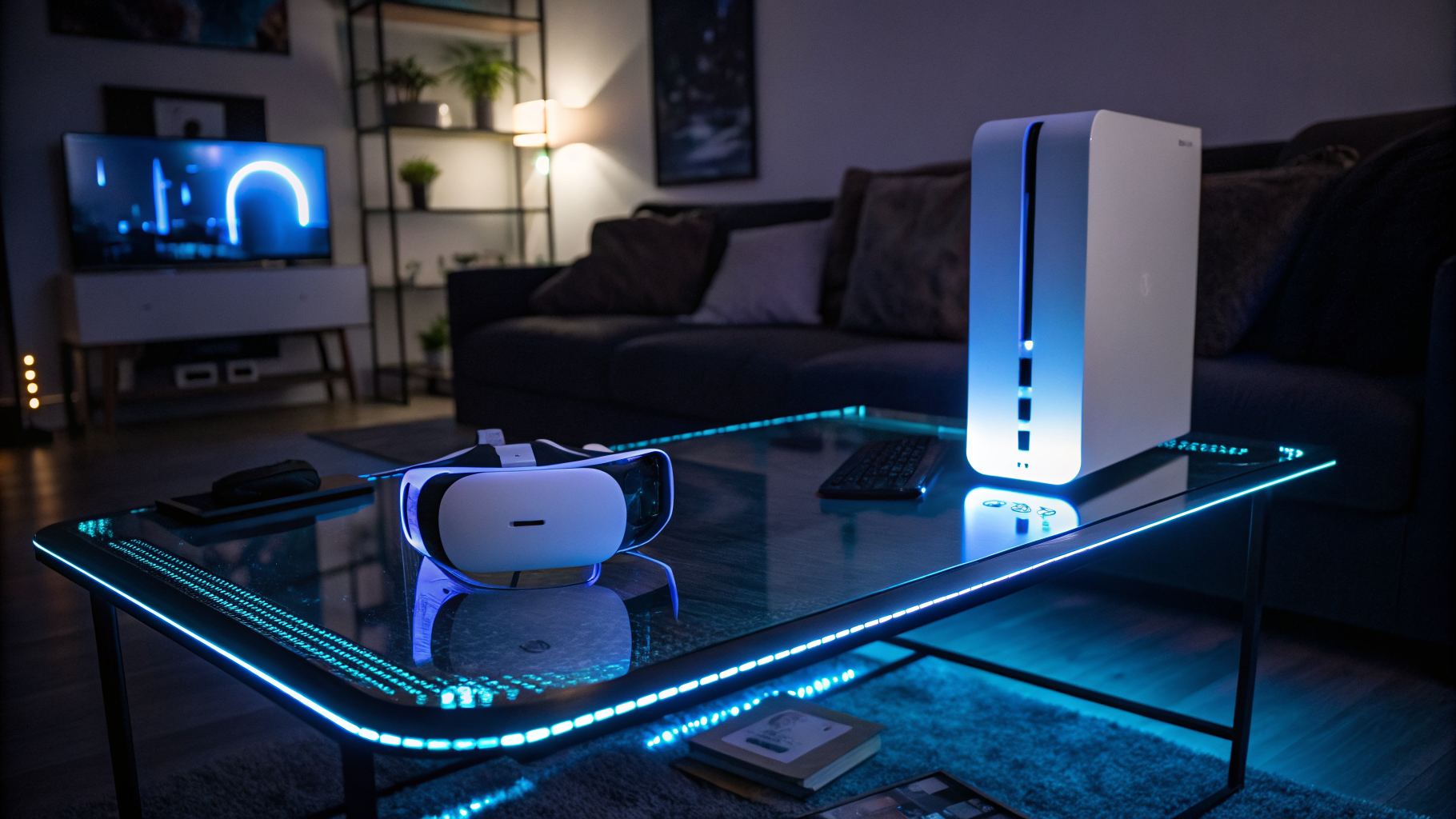
Valve, the company that gave us Half-Life and then spent the next decade tinkering with hardware like a mad scientist in a garage, has done it again. This week, it announced that the long-delayed Steam Machine PC and the Steam Frame VR headset are finally, actually, for real this time, launching this summer. The news came via a blog post on Thursday, buried inside a lengthy update about Verified programs for both devices. The post ends with the kind of chipper nonchalance that only a company sitting on a mountain of Steam cash can muster: “We’re excited for players to try your titles on the new Steam hardware once they…” — well, you get the idea.
I’ve been covering VR, AI, metaverse, and Web3 for over a decade now. I’ve seen more vaporware than a fog machine factory. So when I read that Valve is ready to ship not one but two new pieces of hardware, my first instinct wasn’t excitement. It was a weary, cynical squint. Really? Again?
Let’s rewind. The original Steam Machine was supposed to be Valve’s big play for the living room. A PC that runs SteamOS, designed to compete with consoles. That was 2015. It flopped. Hard. The hardware partners bailed, the Linux gaming library was a joke, and Valve quietly swept the whole thing under a rug made of VR prototypes. Now, nearly a decade later, they’re bringing it back. And they’re adding a VR headset to the mix, because why not?
What struck me here is the timing. Summer 2025 is right around the corner. We’re talking three, maybe four months away. Valve doesn’t usually announce things this close to launch. The company is famous for its “we’ll ship it when it’s ready” philosophy, which sometimes means never (looking at you, Half-Life 3). So when they say “this summer,” I want to believe them. But I’ve been burned before.
The Steam Machine Redux: What’s Different This Time?
The original Steam Machine failed for a lot of reasons, but the big one was software. SteamOS was built on Linux, and Linux gaming in 2015 was a barren wasteland. You could play Dota 2 and maybe Counter-Strike, but forget about Call of Duty or Assassin’s Creed. The Proton compatibility layer didn’t exist yet. Valve was asking gamers to abandon Windows, and gamers said, “No thanks, I’ll keep my 10,000-game library.”
Fast forward to 2025. Proton is a miracle of engineering. It runs the vast majority of Windows games on Linux with minimal performance loss. The Steam Deck proved that a Linux-based handheld can be a commercial success. So the software argument is solved. Mostly. But hardware is a different beast.
Valve isn’t building the new Steam Machine itself — at least, not entirely. The blog post mentions a “Verified” program for third-party manufacturers, similar to what Google did with Nexus phones or what Microsoft tried with Windows RT tablets. You’ll be able to buy a Steam Machine from partners like ASUS, Lenovo, or maybe even some boutique PC builders. They’ll come pre-loaded with SteamOS, a custom controller, and a promise that everything just works.
I think that’s the right move. Valve doesn’t have the supply chain chops to mass-produce PCs. But it does have the platform power. If the Verified program is rigorous — if it guarantees that every game in your Steam library runs at a solid 60fps at 1080p — then the Steam Machine might actually have a shot. But that’s a big if. PC hardware is a mess of drivers, resolutions, and variable performance. Consoles are easy because they’re fixed. A Steam Machine, by definition, is not.
Here’s my prediction: the Steam Machine will sell to two groups. First, the hardcore Steam Deck owners who want a living-room companion. Second, people who are tired of Windows 11’s ads and bloatware. That’s a niche, but it’s a passionate one. Will it kill the PlayStation? No. Will it make Valve a ton of money? Probably not. But it might be a solid, respectable product that finally delivers on the original promise. That’s not nothing.
Steam Frame: VR’s Second Act, or Third?
Now let’s talk about the Steam Frame. This is Valve’s new VR headset, and it’s been rumored for years. The Index came out in 2019, and it’s still one of the best PC VR headsets on the market. But it’s old. The cable is a nuisance, the resolution is starting to look dated, and the controllers, while excellent, have been copied by everyone else. The Steam Frame is supposed to be the next generation.
What do we know? Not much. The blog post is vague. It mentions “new optics, improved ergonomics, and a streamlined setup process.” That could mean anything from pancake lenses to inside-out tracking to a wireless dongle that doesn’t suck. The key phrase is “Verified for Steam Frame,” which suggests a curated list of VR titles that are optimized for the headset. That’s smart. VR’s biggest problem is that half the games feel like tech demos. If Valve can guarantee a baseline quality, that’s a win.
But here’s the thing: VR is still a niche. The Meta Quest 3 sold okay, but it didn’t set the world on fire. Apple’s Vision Pro was a flop by any reasonable measure. The market is not growing as fast as anyone hoped. So why is Valve jumping back in? I think it’s because Valve doesn’t care about market share. It cares about pushing the medium forward. The Index was a loss leader. The Steam Frame probably will be too. Valve makes its money on Steam store cuts, not hardware margins. The Frame is just a way to get people to buy more VR games on Steam.
Is that a good strategy? In my view, yes, but only if the hardware is genuinely great. If the Frame is just a slightly better Index with a higher price tag, it’ll sink. VR enthusiasts are a picky bunch. They want wireless, high resolution, wide field of view, and no motion sickness. They want Half-Life: Alyx 2. If Valve delivers on the hardware but doesn’t have the software to back it up, the Frame will collect dust. I’m cautiously optimistic, but I’ve been wrong before.
The Verified Programs: Valve’s New Obsession
The blog post spends most of its time talking about Verified programs. For the Steam Machine, there’s a “Steam Machine Verified” badge that tells you if a game runs well on the hardware. For the Steam Frame, there’s a “Steam Frame Ready” badge that checks for performance, comfort, and controller compatibility. This is Valve copying the Steam Deck Verified model, which has been a huge success. The Deck Verified program gave users a simple way to know if a game would work. It reduced confusion and boosted sales. So it makes sense to extend it to new hardware.
But here’s the cynical take: Verified programs are a crutch. They’re a way for Valve to outsource quality control to developers. Instead of building a platform that just works, they’re asking developers to test their games against a checklist. That’s fine for a niche device like the Steam Deck. But for a mainstream product like the Steam Machine? If you have to check a badge to know if a game runs, you’ve already lost the console audience. Consoles just work. The Steam Machine needs to be at least that good.
I’ll give Valve credit though: they’ve learned from the past. The original Steam Machine launched without a Verified program, and it was a mess. Games crashed, controllers didn’t map properly, and the whole experience felt half-baked. This time, they’re putting the work in beforehand. That’s a sign of maturity. But it’s also a sign that they’re scared. They know they can’t afford another failure.
The Elephant in the Room: The Steam Deck
Let’s address the obvious question: why would anyone buy a Steam Machine when the Steam Deck exists? The Deck is already a portable PC that can plug into a TV via a dock. It’s cheaper, more versatile, and proven. The Steam Machine is essentially a stationary version of the same idea. Who needs that?
I think the answer is performance. The Steam Deck is limited by its mobile chip. It can run most games at 30fps, but it struggles with recent AAA titles. A Steam Machine with a desktop GPU could push 60fps or 120fps at higher resolutions. For someone with a 4K TV and a desire to play Cyberpunk 2077 without looking at a slideshow, the Steam Machine makes sense. But it’s a small audience. Most people who want a living-room gaming PC already have one, or they use an Xbox. The Steam Machine is for the person who wants Linux, hates Windows, and has money to burn. That’s a thin slice of the pie.
Valve knows this. Which is why I suspect the Steam Machine is less about sales and more about establishing a standard. If the Verified program takes off, Valve could license SteamOS to any PC manufacturer, creating a de facto alternative to Windows for gaming. That’s a long game. But it’s a smart one. Microsoft has been taking PC gaming for granted. Valve sees an opening.
The Bigger Picture: Summer of Hardware
So we’re looking at a summer launch for both devices. That means June, July, or August. The blog post doesn’t give exact dates, which is typical Valve. They’ll announce the date a week before, because they can. And everyone will buy it anyway, because it’s Valve.
I’m not going to tell you to pre-order. I’m not going to tell you to skip it. I’m going to tell you to wait for reviews. Wait for the teardowns. Wait for the first wave of Verified games. Valve has earned a lot of goodwill with the Steam Deck, but they’ve also burned a lot of goodwill with the Steam Machine and the Steam Link and the Steam Controller. They’re 2-for-3 on hardware. The Steam Machine is the tiebreaker.
In my view, the most interesting thing about this announcement is not the hardware itself. It’s what it says about Valve’s long-term strategy. They’re building an ecosystem that doesn’t depend on Microsoft or Apple. SteamOS, Proton, Verified programs, custom hardware — it’s all part of a plan to make Valve the gatekeeper of PC gaming. They already are, in many ways. But with these devices, they’re trying to lock it down. Whether that’s good for consumers is debatable. But it’s certainly good for Valve.
Let’s be honest: the metaverse hype is dead. Web3 is a zombie. AI is eating everything. But VR and PC gaming are still breathing. Valve is betting that there’s life in the old dog yet. I hope they’re right. Because the alternative is a world where the only way to play games is through a subscription service or an ad-riddled operating system. And that world sucks.
So, summer 2025. Mark your calendars. Or don’t. Valve might delay it again. Would that really surprise you?
Further Reading
Original source: read the full article