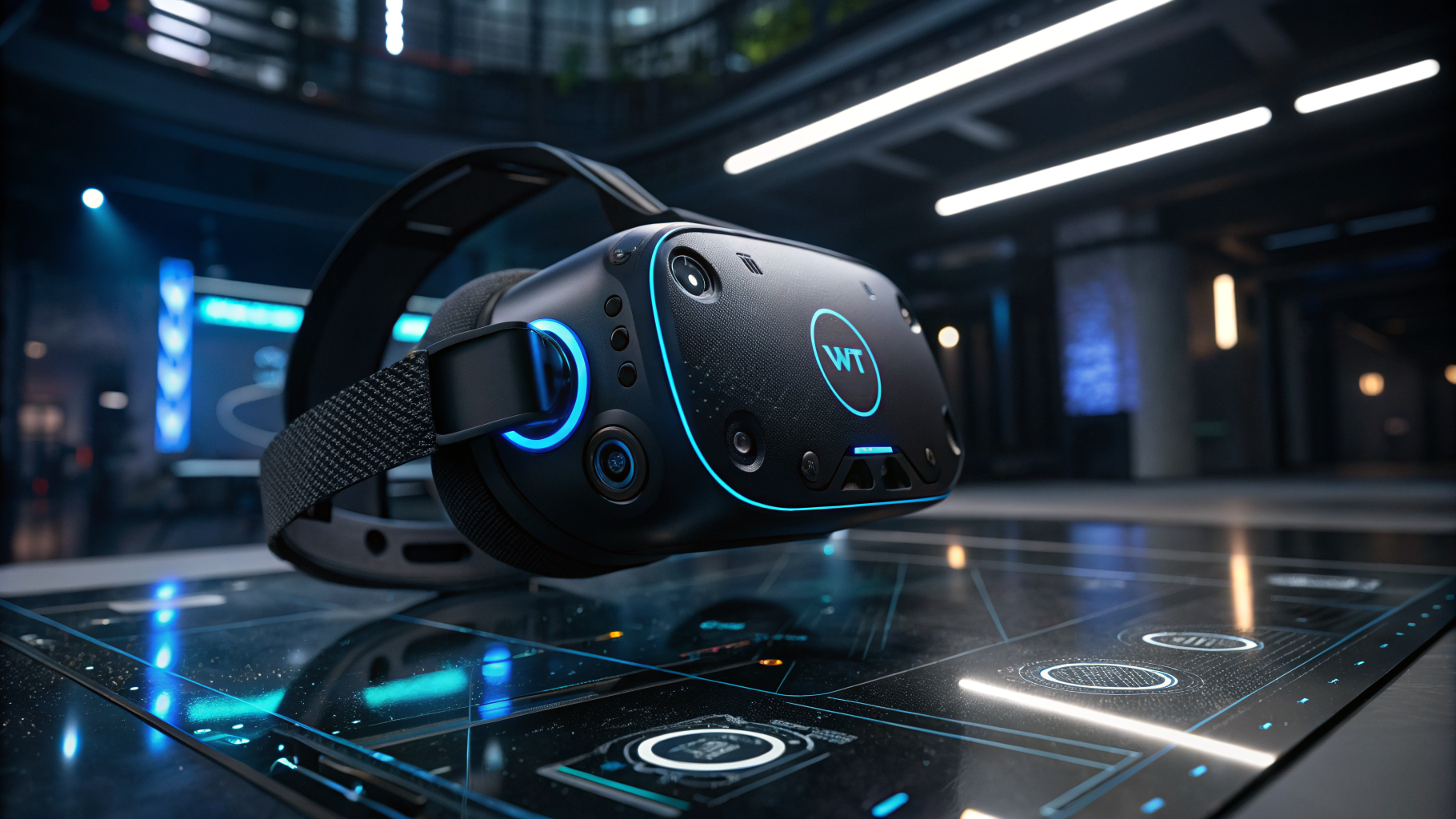
Finally, Something Worth Talking About
Let’s be honest: SteamVR has felt like a neglected attic for years. Valve kept the lights on, sure, but the furniture was gathering dust. Then, out of nowhere, they drop a massive update — and I mean massive. Not a minor patch. Not a quiet bug fix. A real, feature-packed overhaul that reeks of preparation. Preparation for what, exactly? I’ll give you one guess: the long-rumored standalone VR headset, Steam Frame.
Road to VR broke the news, and what struck me here is the timing. Valve never does anything by accident. The company that gave us Half-Life: Alyx and then went silent on VR hardware for years is now suddenly pushing code like they’re shipping a product next week. The update brings standard Steam features — the kind PC gamers take for granted — into the VR runtime. We’re talking proper in-headset notifications, a revamped dashboard, better overlay integration, and — wait for it — native support for Steam Input with per-game controller profiles inside VR. That last one alone is huge. No more fumbling with desktop menus while you’re inside a headset. It just works.
But let’s pump the brakes for a second. Is this really the “VR-native user experience” we’ve been promised since 2016? I’ve been covering this space for over a decade. I remember when the Oculus Rift DK2 felt like magic. I also remember the crushing disappointment of every “next big thing” that fizzled out. So when I see a SteamVR update, my first reaction isn’t excitement — it’s skepticism. What exactly has changed? And does it matter if nobody buys the damn headset?
The Steam Frame: A Headset That Actually Makes Sense?
The rumor mill has been churning for years. Steam Frame — or “Deckard” as the code name went — is supposedly a standalone VR headset that doesn’t need a PC. Think Quest 3, but with Valve’s ecosystem: SteamVR, Steam Store, and that weirdly loyal fanbase that still buys every Valve Index accessory. The update adds a bunch of under-the-hood improvements for wireless streaming, low-latency rendering, and a new “VR Compositor” that seems designed for standalone hardware. I’m no engineer, but when you see “compositor” and “standalone” in the same patch notes, you start connecting dots.
What I find interesting is the approach. Valve isn’t trying to out-Apple Apple. They’re not building a walled garden like Meta. Instead, they’re making SteamVR the universal OS for VR — whether you’re on a wired Index, a wireless Pico, or a hypothetical Steam Frame. That’s smart. It’s also risky. The standalone market is dominated by Meta, and China’s ByteDance is pushing Pico hard. Valve needs a device that’s competitive on price, comfort, and content. The update suggests they’re working on all three.
What’s Actually in the Update?
Let’s get granular. The patch notes are a laundry list of boring technical stuff that actually matters. Here’s what jumped out:
- Revamped Dashboard: You can now pin windows, access friends list, and see notifications without leaving your game. It’s like the Steam overlay, but designed for VR. Took them long enough.
- Steam Input 2.0 in VR: Per-game controller bindings now work natively inside VR. No more taking off the headset to adjust settings on a flat screen. This is a quality-of-life win.
- Wireless Streaming Improvements: Lower latency, better bitrate handling. This is clearly aimed at standalone headsets that stream from a PC. Steam Frame likely uses this.
- New Compositor: Reduces judder and improves frame pacing. This is the kind of low-level work that makes VR feel less vomit-inducing.
- UI Polish: The whole interface is sharper, more responsive. It actually looks like a modern OS now, not a Windows 95 theme.
None of this is flashy. But that’s the point. Valve isn’t selling hype — they’re selling reliability. The question is whether that’s enough to pull users away from Meta’s polished, app-filled ecosystem.
The Meta-Shaped Elephant in the Room
I can’t write about a standalone Valve headset without talking about Meta. The Quest 3 is good. Really good. It’s lightweight, has color passthrough, and a store full of games and apps. But it’s also a data-collection machine tied to a Facebook account. Valve’s pitch has always been: “We’re not that.” No forced logins, no ads in your face, no tracking your eye movements for advertising. That matters to a certain kind of user — the kind who reads this blog.
But here’s the rub: Valve is a company that makes money from selling games on Steam. A standalone headset is just another way to sell you more games. That’s fine. But if the hardware is priced too high, or if the launch lineup is weak, they’ll struggle. The SteamVR update fixes the software side. Now they need to deliver on hardware. And we all know Valve’s track record with hardware: the Steam Controller was quirky but niche. The Steam Link was a good idea that never took off. The Index is still the best PC VR headset, but it’s expensive and tethered.
So what’s different this time? Maybe nothing. Maybe Valve is just updating SteamVR because they have to. But the timing — right before a rumored launch — feels deliberate. I’ve learned to trust Valve’s product cycles. They don’t ship junk. They ship late, but they ship polished. If Steam Frame launches this year, expect it to be a refined, slightly boring, but rock-solid piece of hardware. And that might be exactly what VR needs right now.
What This Means for the VR Landscape
If Steam Frame is real — and I’m betting it is — the implications are huge. First, it legitimizes standalone VR as a PC gaming extension. Right now, standalone headsets are mostly for casual games and fitness apps. SteamVR + Steam Frame could bring AAA PC VR titles to a wireless, all-in-one device. Imagine playing Half-Life: Alyx without a cable. Imagine Boneworks on a headset that costs less than a gaming PC. That’s the dream.
Second, it pressures Meta to open up. Meta’s Quest store is a walled garden. You can side load, but it’s a hassle. Valve could offer a true open ecosystem where you buy a game once and play it on any headset. That’s the Steam model, and it’s why Steam dominates PC gaming. If Valve pulls this off, they could do the same for VR.
Third, it might finally kill the “VR is dead” narrative. Every year, some pundit declares VR a fad. Then a new headset comes out, sales spike, and the cycle repeats. Steam Frame, backed by Valve’s software muscle and a library of thousands of games, could be the device that makes VR mainstream — not for everyone, but for the millions of PC gamers who already use Steam.
But Let’s Not Get Carried Away
I’ve been burned before. Remember when everyone thought the Apple Vision Pro would save VR? It didn’t. It’s an impressive dev kit for $3,500 that nobody uses. Remember when the Pico 4 was supposed to challenge Meta? It fizzled. VR is a tough market. It requires content, comfort, and a price point that doesn’t make people laugh. Valve has the content (Steam), they have the software (SteamVR), and if they price Steam Frame at $499 or less, they have a winner. If they go higher, it’s a niche product for enthusiasts.
The SteamVR update is a smart move. It shows Valve is serious about making the software experience seamless before the hardware launches. That’s the opposite of Meta, which launched Quest 3 with a half-baked OS and fixed it later. Valve is doing it right. But doing it right doesn’t guarantee success. It just increases the odds.
The Bottom Line
I’ll be watching Steam Frame like a hawk. The SteamVR update is the clearest signal yet that Valve is ready to compete in the standalone space. They’re not trying to be Apple. They’re trying to be the Android of VR — open, flexible, and backed by a huge game library. That might not thrill the hype train, but it’s a solid strategy. And frankly, after a decade of VR hype cycles, I’ll take solid over shiny any day.
If you’re a developer, now is the time to start optimizing your SteamVR games for standalone. If you’re a user, hold off on buying a Quest 3. Wait. See what Valve delivers. The update is out. The hardware is coming. And for the first time in years, I’m genuinely excited about VR again.
Original source: read the full article