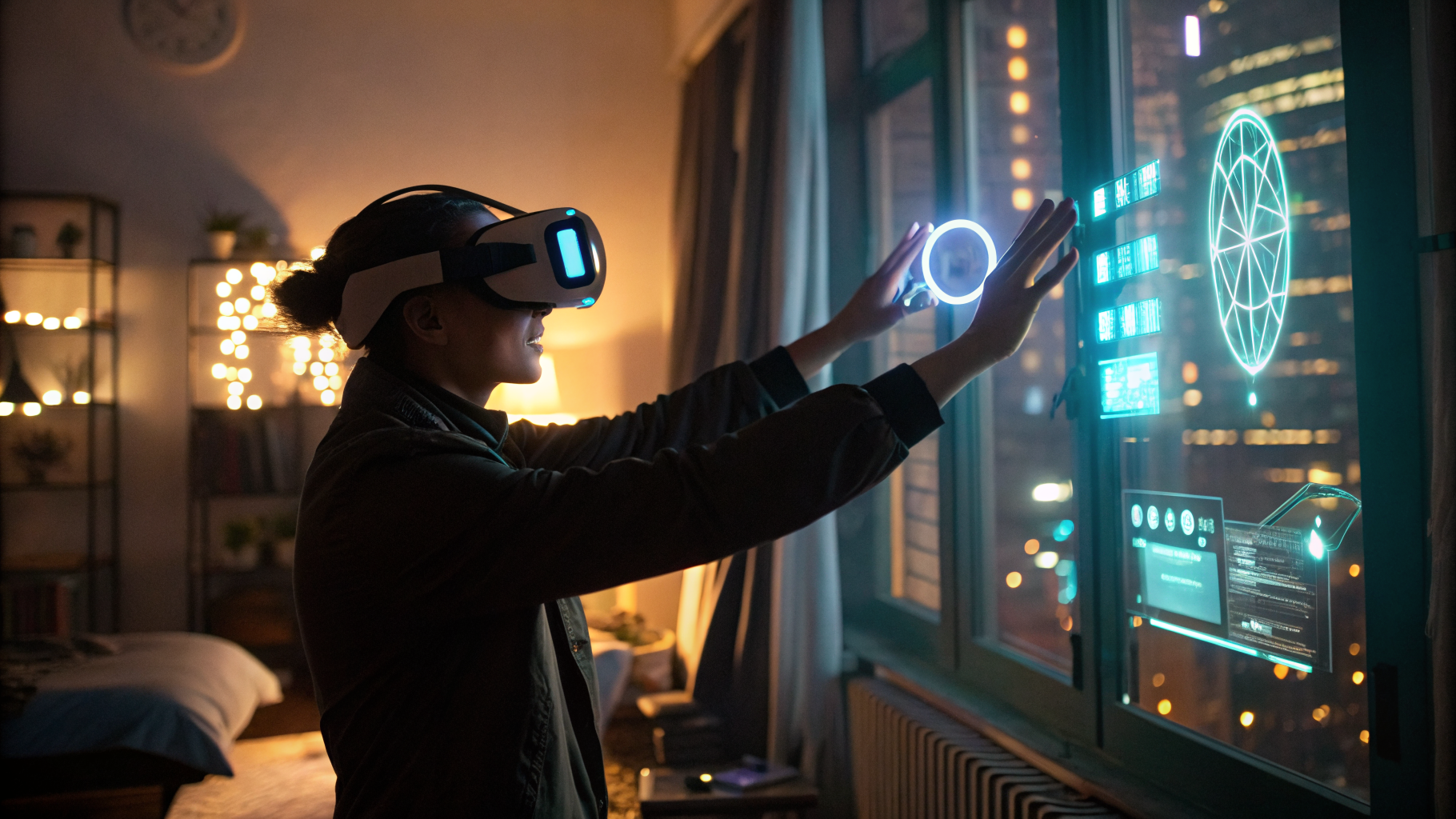
The Year VR Stopped Apologizing
We’re nearly halfway through 2026, and I’ve already heard the death knells—again. Every spring, some analyst or podcast host declares VR is circling the drain, usually because a headset didn’t sell ten million units in a quarter. Meanwhile, the rest of us are digging into a slate of games that, for once, don’t feel like tech demos dressed up as full releases. I’ve been covering this space since the Oculus DK2 days, and I can tell you: something has shifted. The whiff of desperation is gone. What’s coming to Quest, PC VR, and—maybe, just maybe—PSVR 2 this year is a lineup that actually understands pacing, narrative, and why you’d want to strap a screen to your face for more than thirty minutes.
Road to VR’s recent roundup of the most anticipated VR games of 2026 reminded me why I still bother. Yes, there’s the usual slate of zombie shooters and rhythm games, but dig deeper and you’ll find studios taking real risks. Let’s talk about what matters, what doesn’t, and why PSVR 2 is the platform that refuses to die gracefully—or at all.
The Heavy Hitters That Might Actually Deliver
Let’s start with the obvious: Metro Awakening. Vertigo Games and Deep Silver are taking the irradiated tunnels of the Moscow Metro and turning them into a VR survival horror experience. I’ve played the flatscreen Metro games, and the tension of holding a shaky flashlight while something scratches in the dark translates beautifully to VR. What struck me here is that the team isn’t just porting a flat game; they’re rebuilding from the ground up for six degrees of freedom. The trailer shows you manually reloading a pneumatic rifle, clicking filters into a gas mask, and ducking under debris. Will it be scary? Absolutely. Will it be a nausea simulator? That depends on how well they handle smooth locomotion, but early previews suggest they’ve nailed the comfort settings.
Then there’s Wanderer: The Fragments of Fate. The original Wanderer was a time-traveling puzzle game that felt like a love letter to Myst, but with a physicality that made you feel like a clumsy archaeologist. The sequel promises larger environments, more gadgets, and a story that branches based on your actions. I’m cautiously optimistic. The original had moments of brilliance—like tuning a radio to the correct frequency by physically turning a knob—but also sections where you wandered aimlessly because the hint system was too subtle. If the studio has tightened the pacing, this could be the year’s sleeper hit.
And of course, Hitman World of Assassination for PSVR 2 is finally getting a full VR mode. Yes, it’s been available on PC VR for years, but the PSVR 2 version promises foveated rendering and adaptive trigger support. I’ll believe it when I see it. IO Interactive has a history of promising VR support and delivering a half-baked camera mode. But if they pull this off, Sony might actually have a system seller that isn’t a Horizon spin-off.
Quest: The Workhorse That Keeps Winning
Meta’s Quest platform remains the elephant in the room—or the headset on everyone’s face. It’s not the most powerful, but it’s the most accessible. This year’s Quest lineup is stacked with games that understand the hardware’s limits and work within them.
Arkham Shadow was a surprise announcement. Yes, Rocksteady is finally making a VR Batman game that isn’t a short experience. You play as the Dark Knight himself, gliding over Gotham, using detective vision to find clues, and punching thugs in slow-motion. The combat system is reportedly similar to the Arkham series’ rhythm-based brawling, but mapped to your hands. I’ve tried a similar system in other games, and it usually feels like flailing. But Rocksteady has a track record of making you feel powerful. The question is length. If it’s a five-hour campaign, it’s a tech demo. If it’s fifteen hours, it’s the reason to buy a Quest 3.
Then there’s Attack on Titan VR: Unbreakable. Yes, the anime adaptation. You use the omni-directional mobility gear to swing around Titans, slicing their napes. In theory, this is the perfect VR game: fast, vertical, and visceral. In practice, motion sickness is a real concern. The studio has promised multiple comfort modes, including teleport-based traversal, but the core fantasy is about flying through the air at high speed. I suspect this will be a love-it-or-hate-it experience. For those with strong VR legs, it’s a dream. For everyone else, it’s a one-way ticket to nausea city.
I’d be remiss not to mention Ghosts of Tabor 2.0. The original was a hardcore extraction shooter with inventory management so fiddly you needed a PhD in spatial reasoning to reload a magazine. The sequel promises better tutorials, smarter AI, and a more forgiving learning curve. But here’s my hot take: the jank was part of the charm. The original’s clunky interactions made every successful raid feel earned. If they polish it too much, they might lose the gritty survival vibe that made it a cult hit.
PC VR: The Niche That Refuses to Die
PC VR is where the weird stuff lives. The high-end headsets like the Bigscreen Beyond and Varjo Aero have tiny user bases, but they demand—and get—games that push graphical boundaries.
Half-Life: Alyx set the bar in 2020, and nothing has matched it since. But Vertigo 2 came close. The sequel to the indie cult hit is finally getting a full release with more levels, more enemies, and a story that’s equal parts psychedelic and heartfelt. If you haven’t played the original, go do that now. It’s like wandering through a fever dream where every room has a new rule. The sequel promises to double down on the weirdness.
Another PC VR exclusive to watch is Firmament from Cyan, the studio behind Myst and Obduction. Yes, it’s a puzzle game set in a steampunk world where you interact with mechanical contraptions. The trailers show you pulling levers, turning wheels, and deciphering cryptic symbols. It’s slow, deliberate, and utterly beautiful. This is not a game for people who want to shoot things. It’s for people who want to feel smart while staring at a beautiful machine.
And then there’s Kayak VR: Mirage. The original was a stunning tech demo that let you paddle through photorealistic environments. The sequel adds a story mode, weather effects, and—wait for it—whales. I’m serious. You can kayak alongside a humpback whale while rain pours down. Is it a game? Barely. But sometimes, VR’s best moments are the quiet ones. I spent an hour in the original just floating in a Norwegian fjord, watching the sun set. No enemies, no objectives. Just presence. That’s worth the price of admission alone.
PSVR 2: The Platform That Won’t Quit (But Should It?)
Sony’s PSVR 2 is in a weird spot. Great hardware, abysmal software support. The headset has been out for over a year, and the library is still thin. But 2026 might be the year it turns around—or doesn’t.
The big hope is Resident Evil 9 getting a full VR mode. Capcom has been good about adding VR to recent RE games, and the PSVR 2’s OLED HDR display makes the horror pop. Imagine running from a new type of mutated monster in a dimly lit castle, with the haptic feedback in the Sense controllers letting you feel every heartbeat. That’s the promise. But Capcom has also been slow to release these modes, and there’s no guarantee RE9 will launch with VR support. If it’s a post-launch patch six months later, the momentum is lost.
Another title that might save PSVR 2 is Behemoth from Skydance Interactive, the studio behind The Walking Dead: Saints & Sinners. It’s a fantasy action game where you fight giant monsters by climbing them and stabbing weak points. Think Shadow of the Colossus in VR. The PC VR version is already getting rave reviews for its physics-based combat and sense of scale. The PSVR 2 version will likely be the same, but with the added polish of Sony’s development support. If it sells well, it could convince other studios to take the platform seriously.
But here’s the thing: Sony needs to stop treating VR like a side hustle. The PSVR 2 is a fantastic piece of kit—eye tracking, haptic feedback, finger-touch detection—but without a steady stream of first-party exclusives, it’s a museum piece. I’d love to see a new Astro Bot game, or a Gran Turismo 8 with full VR support. Instead, we get ports of games that launched on Quest two years ago. That’s not a strategy. That’s a hobby.
The Indie Scene: Where the Real Innovation Lives
Let’s not ignore the small studios. VR’s survival has always depended on indie developers willing to experiment. And 2026 is shaping up to be a banner year for them.
Underdogs is a physics-based brawler where you pilot a mech suit in a fighting arena. You punch, grab, and throw opponents using your actual arms. The physics engine is so detailed that you can wrap your mech’s hand around a pipe and swing it like a club. It’s ridiculous, sweaty, and incredibly fun. The full release adds a career mode where you manage your mech’s parts and reputation. If you have a Quest and want to feel like a giant robot, this is your game.
Another one to watch is Vampire: The Masquerade — Justice. It’s a stealth-action game where you play a vampire in a dark city, using supernatural powers to sneak, feed, and assassinate. The atmosphere is thick—rain-slicked streets, neon signs, and jazz music. The stealth mechanics are surprisingly deep: you can turn into mist to slip through vents, or use telepathy to lure guards away. It’s like Dishonored in VR, but with fangs. Early access reviews are positive, but the full release will determine if the story holds up.
And then there’s Puzzling Places 2. The original was a 3D jigsaw puzzle game that became a meditation tool for millions. You assembled detailed models of buildings, temples, and landscapes by grabbing pieces and fitting them together. The sequel adds dynamic lighting, animated pieces, and—most importantly—a multiplayer mode where you can build puzzles with friends. It sounds simple, but in a year full of shooting and stabbing, a game that asks you to slow down and focus is a breath of fresh air.
The Elephant in the Room: Price and Adoption
I can’t write this without addressing the cost. A Quest 3 is $500. A good PC VR headset is $1,000 or more, plus a gaming PC. PSVR 2 is $550, but you need a PS5. That’s a lot of money for a hobby that still feels niche. But here’s the thing: the games are getting better. The hardware is getting cheaper. And the barrier to entry is lower than ever, thanks to wireless streaming and standalone headsets.
What I’m seeing is a slow, steady maturation. The hype cycles of 2016 and 2020 are over. The metaverse bubble has burst. What’s left is a core community of players and developers who actually care about the medium. They’re not trying to sell you a digital land plot or a blockchain sword. They’re trying to make you feel like you’re inside a world. And that, to me, is worth the price of admission.
The Bottom Line
2026 is not the year VR goes mainstream. It’s not the year everyone owns a headset. But it is the year the games caught up to the hardware. The lineup is diverse: horror, action, puzzles, simulation, and the kind of weird experimental stuff that only makes sense in VR. Whether you’re on Quest, PC VR, or PSVR 2, there’s something to play. And if you’ve been waiting for the right moment to jump in, this is it.
Just don’t buy a headset for the metaverse. Buy it for the games.
Further Reading
The original article on Road to VR: The Most Anticipated VR Games of 2026 Coming to Quest, PC VR and (maybe) PSVR 2
Original source: read the full article