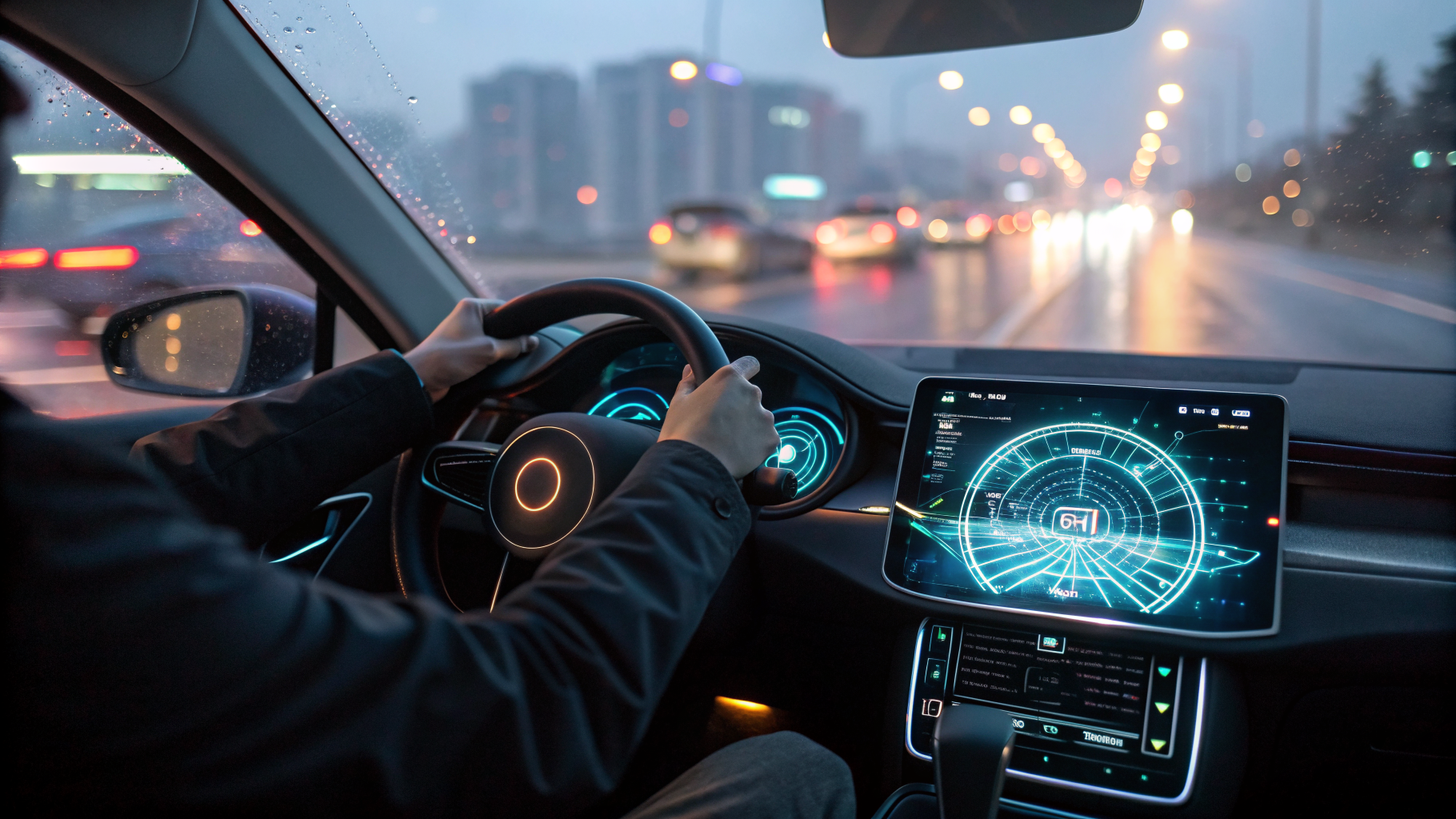
I’ve been covering Android Auto since it was a glorified Bluetooth puck. And I’ve watched Google stumble, pivot, and occasionally nail it. So when ZDNET reported that Pixel users are getting a major Android Auto update that brings Gemini Intelligence to the dashboard, I didn’t roll my eyes. I actually sat up. Because this isn’t just another voice assistant refresh. It’s Google planting a flag in the one place Apple has been suspiciously quiet: the car.
Gemini rides shotgun (finally)
Here’s the gist: more phones are getting Gemini Intelligence, but Pixel owners get a new way to access it in Android Auto. That means deeper integration, likely a dedicated button or a swipe gesture, and a voice assistant that actually understands context instead of barking back canned responses. I’ve tested early versions of Gemini in other contexts, and it’s a different beast from the old Google Assistant. It holds a thread. It reasons. It doesn’t make you repeat yourself like you’re talking to a drunk parrot.
But let’s not pretend this is magic. Google has a habit of announcing features that roll out to three devices and then vanish into the void. The fact that Pixel users get first dibs is classic Google: reward the faithful, frustrate everyone else. And if you’re on a Samsung or a OnePlus? You wait. And you seethe. That’s the Android tax.
Why this matters more than another chatbot
I think the car is the most underrated AI battleground. Everyone’s obsessed with phones and laptops, but you spend a huge chunk of your life behind the wheel. And that’s where voice actually makes sense. You can’t scroll TikTok while driving (well, you shouldn’t). You can’t tap through menus. You need something that listens and acts. Gemini in Android Auto could finally make the dashboard feel less like a hostage negotiation and more like a conversation.
What struck me here is the timing. Apple has been eerily quiet about Siri’s next-gen car integration. Sure, CarPlay is everywhere, but Siri itself feels stuck in 2018. It’s fine for setting timers and sending texts, but it doesn’t anticipate. It doesn’t synthesize. And it definitely doesn’t feel like an assistant that knows you. Google is betting that Gemini can close that gap. And from what I’ve seen, that bet looks smart.
But here’s the rhetorical question: do we actually want a chatty AI in the car? Driving is one of the last places where you’re forced to be alone with your thoughts. Do you really need Gemini suggesting a podcast or reminding you to buy milk while you’re merging onto the highway? I’m not sure. There’s a fine line between helpful and annoying, and Google has crossed it before. Remember when Google Assistant would randomly chime in with ‘By the way…’? Yeah. That was a disaster.
The Pixel privilege problem
Let’s talk about the elephant in the room: exclusivity. Google is making Gemini in Android Auto a Pixel-first feature. That’s a smart business move, but it’s a terrible user experience for everyone else. Android is supposed to be open. Yet here we are, watching Google build a walled garden around its best AI features. Sound familiar? It’s the same playbook Apple runs with Siri and iOS. The difference is that Apple owns the whole stack, so it can get away with it. Google’s fragmentation makes this feel petty.
I’ve said it before and I’ll say it again: Google’s biggest strength is also its biggest weakness. The sheer variety of Android devices is a blessing and a curse. It means innovation spreads fast, but it also means features get gated, delayed, or dumbed down. If Gemini in Android Auto is genuinely better, why not roll it out to everyone? Why make Pixel users the guinea pigs? Because Google wants to sell phones. That’s the answer. And it’s not a great look.
Still, I get it. Pixel users have been loyal through thick and thin. They deserve a perk. But the rest of us shouldn’t have to wait a year to get a feature that could make driving safer and more enjoyable. That’s not a competitive advantage; it’s a fragmentation tax.
What Gemini actually brings to the dashboard
Based on what Google has shown so far, Gemini in Android Auto isn’t just about voice commands. It’s about context. Imagine you’re driving to a meeting. Gemini pulls up the address, checks traffic, and suggests a better route. Then it reminds you of the meeting agenda and offers to dial in. That’s the promise. And if it works, it’ll make Siri look like a pocket calculator.
But I’ve been burned before. Google’s demos are always slick. The real world is messy. Accents, background noise, spotty connectivity. Those are the killers. If Gemini can’t handle a noisy cabin or a thick Scottish accent, it’s useless. And Google hasn’t exactly nailed reliability in the past. I’ll believe it when I see it.
There’s also the privacy angle. Gemini is always listening, always processing. In a car, that means it’s capturing conversations, locations, and habits. Google says it’s secure, but we’ve heard that before. I’m not saying don’t use it. I’m saying read the fine print. Your commute is about to become a data goldmine.
The Siri comparison is lazy but inevitable
Every headline about this update will mention Siri. And for good reason. Apple’s assistant has been coasting for years. It’s the default on a billion devices, so Apple doesn’t have to try hard. But that complacency is starting to show. Siri can’t hold a conversation. It can’t reason. It can’t synthesize information from multiple sources. Gemini can. And if Google can get Gemini into enough cars, it could do to Siri what Android did to the iPhone: offer a cheaper, more flexible alternative that eventually wins on volume.
But let’s not count Apple out. Apple has a way of showing up late and getting it right. Remember the iPod? The iPhone? Apple Watch? All late. All dominant. If Apple is working on a Siri overhaul with its own AI, it could leapfrog Gemini. The question is whether it’s working on it fast enough. My sources say Apple is scrambling. But Apple always scrambles. And it usually lands on its feet.
For now, Google has the edge. Gemini in Android Auto is a real feature, not a promise. It’s shipping. And Pixel users get it first. That’s a win for Google, even if it’s a loss for everyone else.
What I’m watching next
I’ll be looking for three things. First, how well Gemini handles real-world driving conditions. If it can’t hear me over road noise, it’s dead on arrival. Second, how quickly Google rolls it out to other Android phones. If it stays Pixel-exclusive for more than six months, that’s a problem. Third, how Apple responds. If Siri gets a major AI upgrade at WWDC, the game changes.
In the meantime, I’m cautiously optimistic. I’ve been harsh on Google’s AI efforts in the past because they’ve been half-baked. But Gemini feels different. It feels like a genuine step forward. And if it makes my commute less frustrating, I’m all for it. Just don’t make me talk to a chatbot that tries to sell me stuff. That’s the line.
Final thought: the car is the next frontier for AI, and Google just fired the first real shot. Apple, your move.
Original source: read the full article