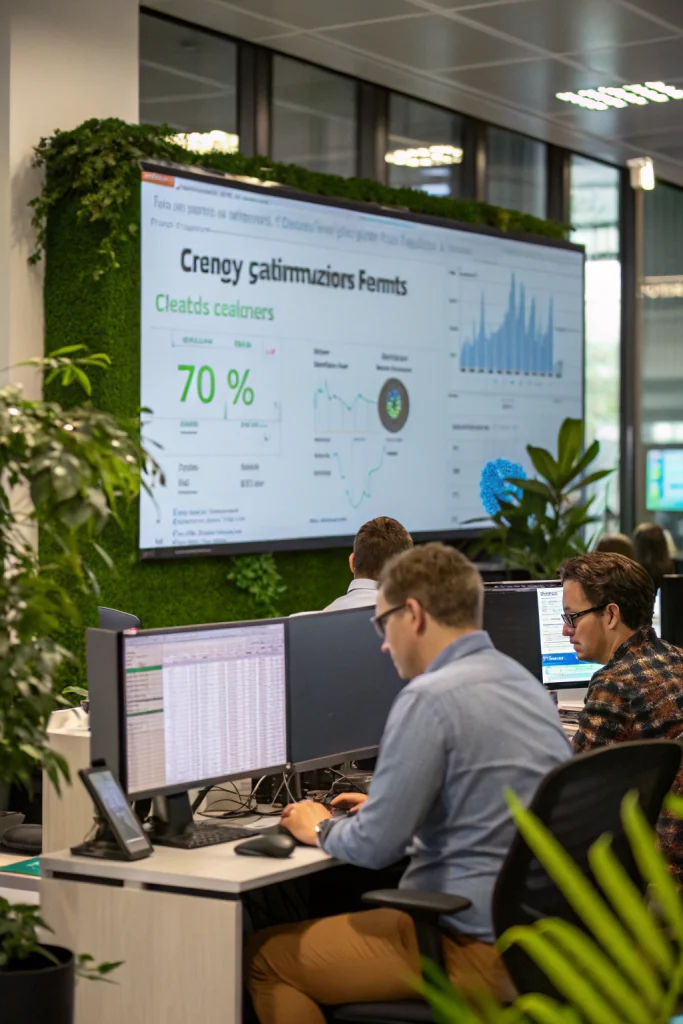
IA & Systèmes Autonomes
AI for Climate Solutions: Optimizing Energy and Carbon Footprints
Discusses how AI technologies are used to optimize energy consumption and reduce carbon emissions.
Discusses how AI technologies are used to optimize energy consumption and reduce carbon emissions.
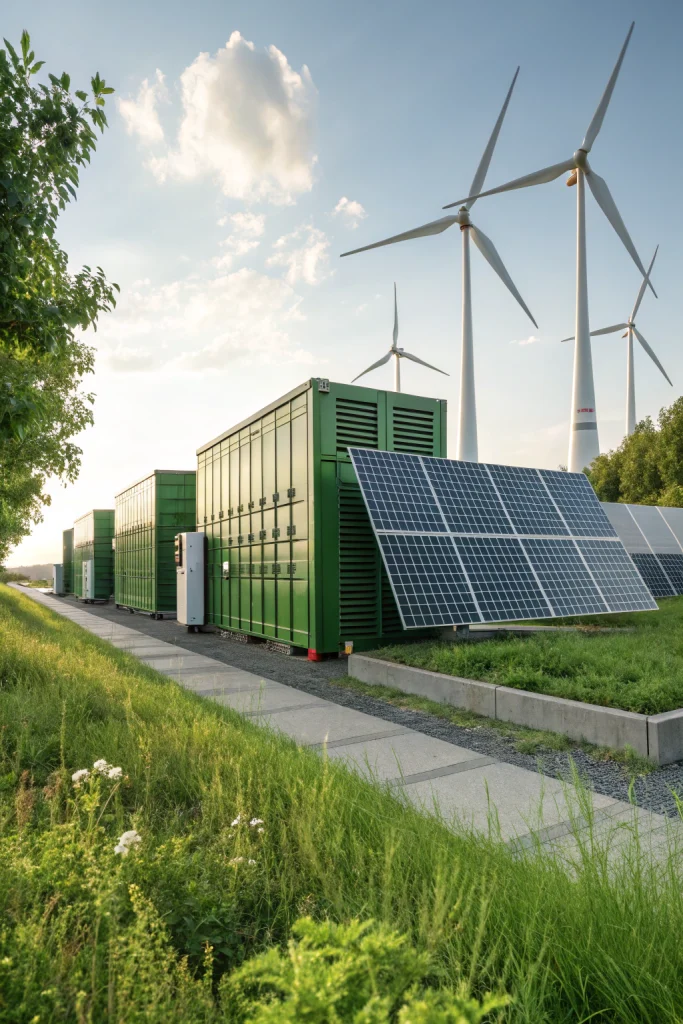
Explores sustainable practices in data centres, including renewable energy use and efficient cooling technologies.

Shows how AI-powered cybersecurity systems proactively detect and respond to sophisticated cyber threats.

Explores recent quantum computing breakthroughs and investments that are accelerating practical quantum applications.

Introduces post-quantum cryptography and explains why new encryption methods are needed to resist quantum attacks.
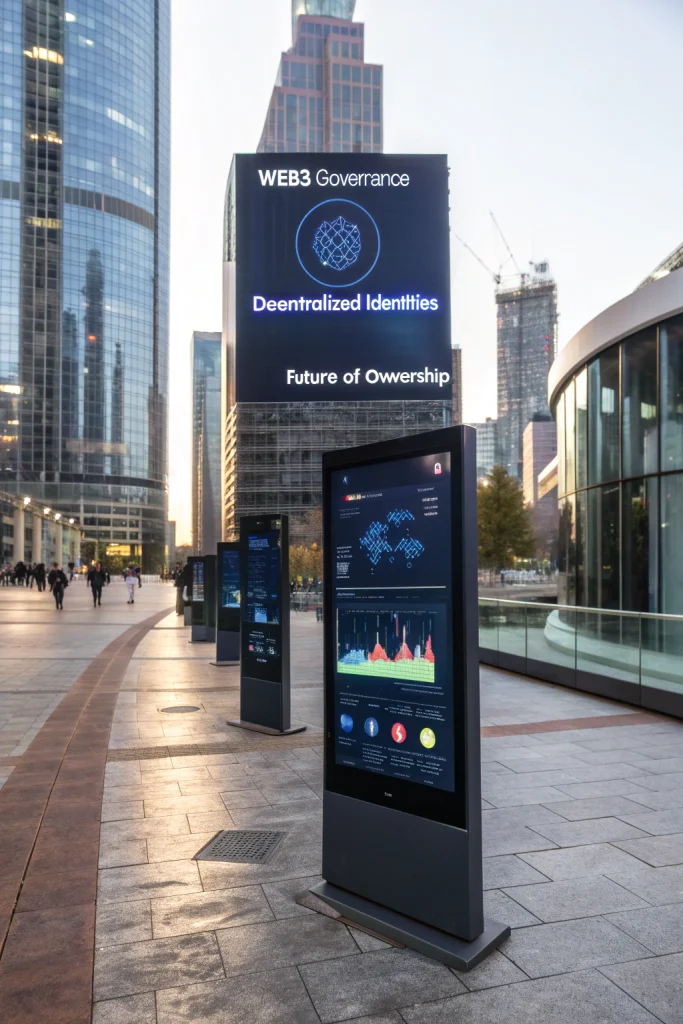
Discusses decentralized governance models, self-sovereign identities and new ownership structures enabled by Web3.
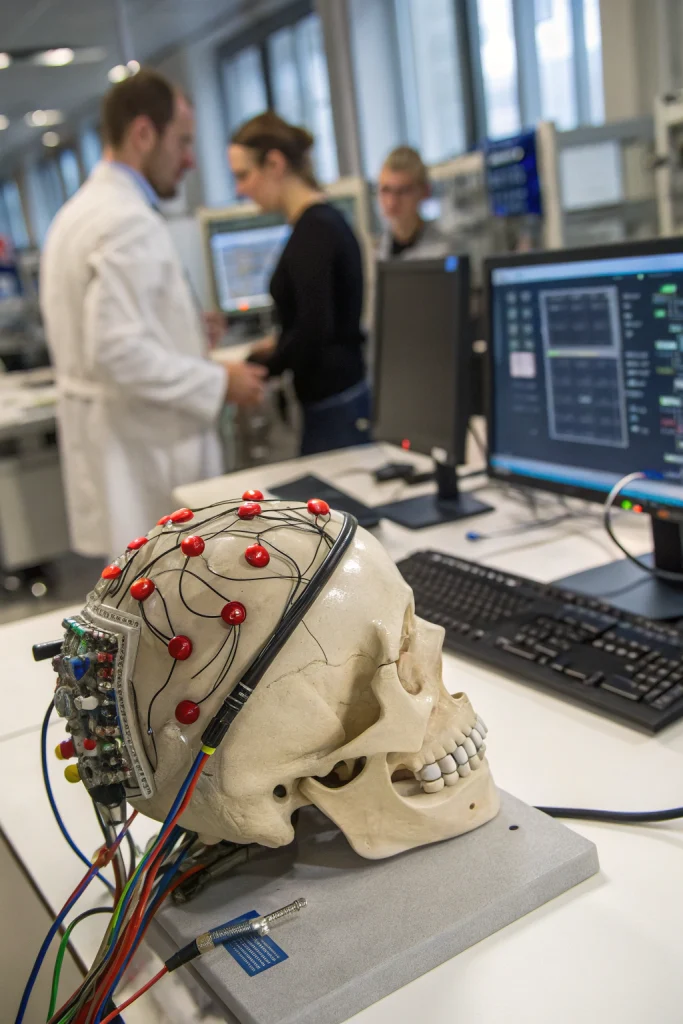
An introduction to brain‑computer interfaces and how they enable direct communication between the brain and devices.
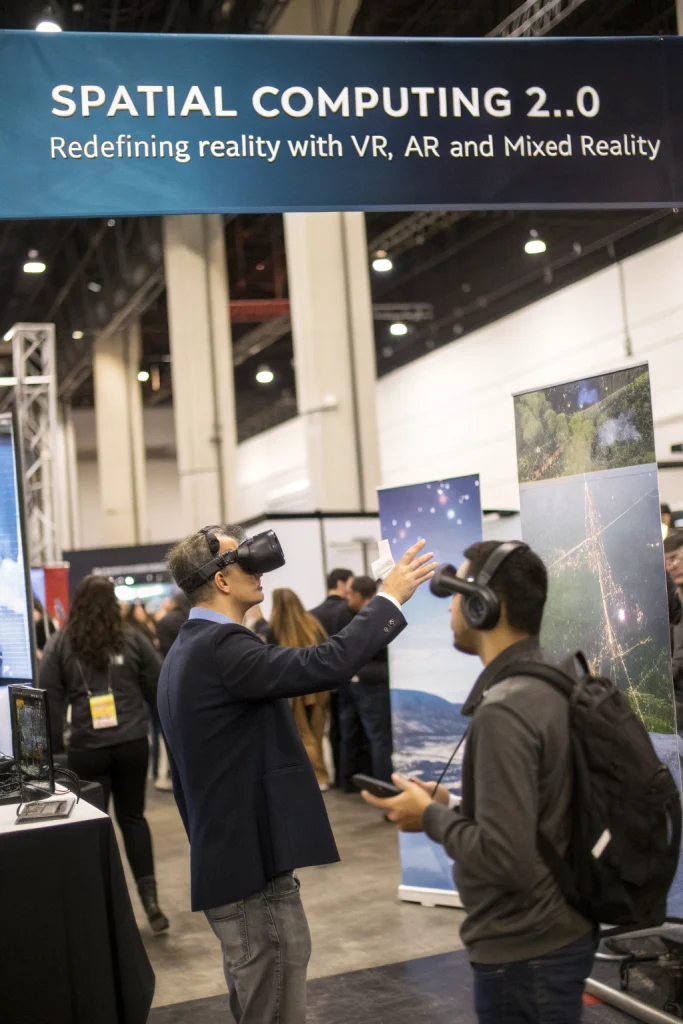
Explains how spatial computing integrates VR and AR to create immersive environments for work and play.
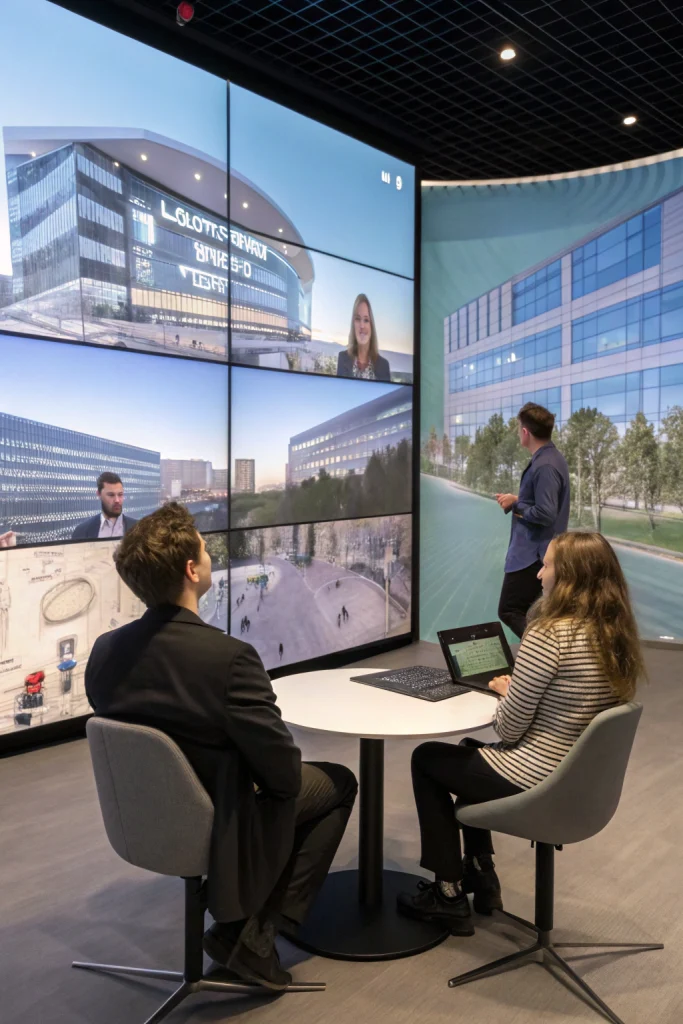
Looks at how 3D virtual offices in the metaverse can increase engagement and collaboration for remote teams.