Another Day, Another Musk Brain Update
Elon Musk’s Neuralink just dropped a new video. In it, they claim to have pulled off their first transdural brain implant surgery. The pitch: this new procedure makes their brain-computer interface (BCI) more scalable and less traumatic for the patient. Sounds good, right? But if you’ve been covering this space as long as I have, you know the devil is in the dura—literally.
Let’s cut through the Muskian fog. The dura mater is that thick, leather-like membrane that wraps around your brain like a biological security blanket. Traditionally, getting electrodes past it meant drilling through the skull and cutting through the dura—a messy, invasive affair. Neuralink says they’ve now threaded their flexible electrode threads directly through the dura without cutting it. Less trauma, faster recovery, more scalability. That’s the story.
What’s Actually New Here?
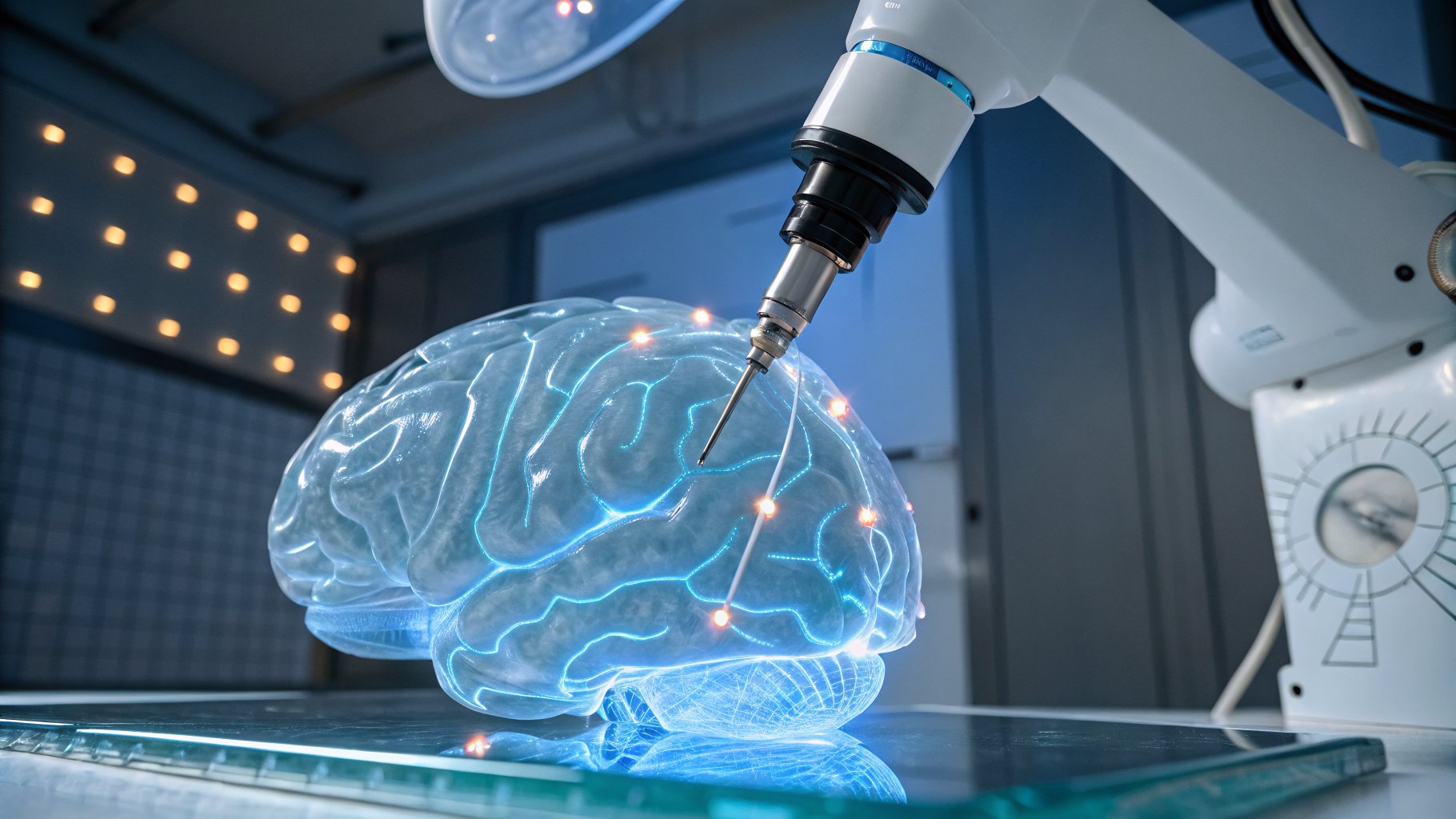
I’ve been writing about BCIs since before Musk decided to rebrand his neural lace fantasies as a commercial product. What struck me here is the word “transdural.” In the video, Neuralink shows a surgical robot—a sleek, white machine that looks like a prop from a sci-fi movie—inserting tiny threads into the brain. The threads pass through the dura, but the company claims the membrane seals around them, minimizing fluid leakage and infection risk.
Is this a breakthrough? Maybe. But let’s not forget that Neuralink has a habit of overselling. Remember the 2020 pig demo? Or the monkey playing Pong? Each time, the press ran with headlines about cyborgs and telepathy. Each time, the actual science was incremental. This transdural approach is not entirely novel—other BCI researchers have explored similar techniques. What Neuralink brings is engineering polish and Musk’s PR machine.
The Scalability Claim
Neuralink says this new procedure is key to scaling up. Why? Because if you don’t have to cut through the dura, you can implant more threads in more locations without causing cumulative damage. The goal is to eventually implant thousands of electrodes, each reading and stimulating neurons. That’s a tall order.
I think the scalability argument is plausible but premature. The company has done exactly one human surgery with this method. One. And we don’t know the patient’s outcome beyond the video’s polished narrative. Is the patient walking around with a chip in their head controlling a cursor? Possibly. But we’ve seen no peer-reviewed data, no independent verification. Just a slick video and Musk’s tweets.
Why This Matters (and Why It Might Not)
Let’s be honest: BCIs are a solution in search of a problem for most people. The real use cases are medical—restoring movement to paralyzed patients, giving speech to locked-in individuals. Neuralink’s eventual goal of “symbiosis with AI” is a decade or more away, if it ever arrives. The transdural procedure could genuinely help people with severe disabilities. That’s not hype; that’s hope.
But here’s the rub: Neuralink’s track record on safety is shaky. The company has faced FDA scrutiny over animal testing. Reports of rushed procedures and high death rates in test subjects have surfaced. Musk’s timeline promises are famously optimistic. So when he says “scalable,” I hear “we haven’t figured out the hard parts yet.”
- Pros: Less invasive surgery, potential for higher electrode density, faster patient recovery.
- Cons: One human case, no long-term data, Musk’s history of overpromising.
The Competition Is Real
Neuralink isn’t the only player. Companies like Synchron have already implanted a stent-based BCI that doesn’t require open-brain surgery. Blackrock Neurotech has been doing human trials for years. The difference? They don’t have Musk’s Twitter account. The transdural approach might give Neuralink an edge in electrode density, but Synchron’s method is less invasive and already in human patients.
I’ve interviewed researchers who shrug at Neuralink’s announcements. “It’s engineering, not science,” one told me. That’s harsh but not unfair. The fundamental challenge of BCIs is not getting wires into the brain—it’s making sense of the neural signals and keeping the implant working for years without scarring. Neuralink’s flexible threads help with the scarring problem, but the transdural trick doesn’t solve the signal interpretation puzzle.
What the Video Shows—and Doesn’t
The video is classic Neuralink: clean, cinematic, devoid of messy realities. We see the robot arm moving with precision. We see a diagram of the dura being pierced. We see a smiling patient? No, we don’t. The video is all animation and talking heads. No real patient footage. No before-and-after results. Just a promise.
I get it. They’re a startup, they need to control the narrative. But as a journalist who has watched the VR and AI hype cycles, I’ve learned to be skeptical of demos. Remember Magic Leap’s whale in the gym? Remember Theranos’s finger-prick blood test? Demos are not products. One surgery is not a revolution.
The Meta Angle
For those of you reading from the metaverse angle, here’s the connection: Musk has talked about Neuralink as the ultimate input device for virtual and augmented reality. Imagine typing with your thoughts, navigating a digital world without a controller. That vision is seductive. But it’s also a decade away, if not more. The transdural procedure is a step toward that future, but it’s a small step on a very long road.
I’ve written about the metaverse long enough to know that the hardware is always the bottleneck. VR headsets are still clunky. AR glasses are still niche. A brain implant that requires surgery? That’s not going to be a consumer product anytime soon. Neuralink knows this—their current focus is medical. But the long-term narrative of “mind-controlled metaverse” keeps the hype alive and the investors interested.
Should You Care?
If you’re a tech enthusiast, yes. This is a genuinely interesting surgical technique that could reduce risks for future BCI patients. If you’re a patient with paralysis, cautiously optimistic—but wait for more data. If you’re a Musk fan, enjoy the video. If you’re a skeptic, you’re right to be.
I’ll end with a rhetorical question: How many times have we heard “this changes everything” from Musk and then waited years for the follow-through? Neuralink’s transdural implant is a cool engineering feat. But let’s call it what it is: a promising prototype, not a scalable product. The real test will come when they release data, publish papers, and let independent researchers replicate the results. Until then, keep your expectations tempered and your scalp intact.
Original source: read the full article