The Polite Era Is Over
For years, the internet had a deal with robots. A quiet, text-file-based deal called robots.txt. You put a line in that file saying, « Hey, kindly don’t scrape my stuff, » and well-behaved bots respected it. But we all knew that deal was held together with digital duct tape. And now Patreon has finally done what so many of us have been screaming for: it stopped asking nicely and started blocking.
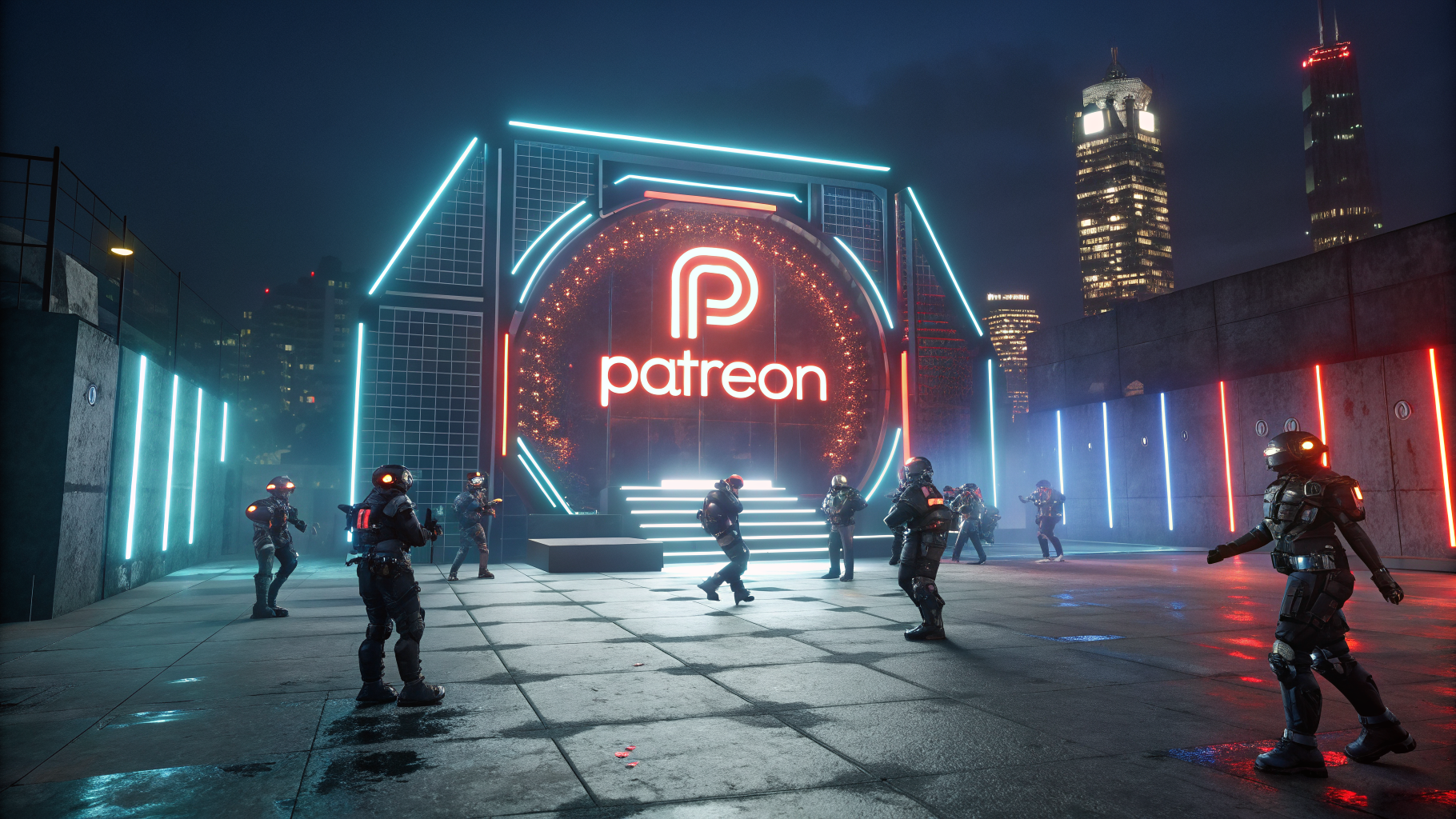
The news broke via TechCrunch: Patreon is teaming up with Cloudflare to actively block AI bots that scrape creators’ content without permission. No more relying on a polite sign on a digital lawn. They’re building a fence. And honestly? It’s about damn time.
I’ve been covering this space for over a decade. I remember when « scraping » meant some hobbyist grabbing a few hundred headlines for a weekend project. Now it’s industrial-scale extraction, feeding the maw of large language models that will happily regurgitate a creator’s work without credit, compensation, or consent. Patreon’s move is a small but significant pivot in a war that most creators didn’t even know they were losing.
Why robots.txt Was Always a Joke
Let’s be real. Robots.txt is a voluntary protocol. It has no teeth. No enforcement. It’s like putting a « Please don’t steal my car » note on your windshield and expecting it to work. For the past two years, we’ve seen wave after wave of AI companies — some you’ve heard of, some operating in the shadows — simply ignore those text files. They scrape first, ask questions never.
What struck me here is that Patreon isn’t just adding a layer of security. It’s partnering with Cloudflare to use bot management tools that can detect and block scrapers in real time. This isn’t about slowing them down. It’s about stopping them cold. Cloudflare’s system can fingerprint bots, analyze traffic patterns, and serve challenges that only humans can pass. AI scrapers, for all their supposed intelligence, still can’t solve a CAPTCHA reliably.
But let’s not kid ourselves. This is an arms race. The scrapers will adapt. They’ll rotate IPs, spoof user agents, use residential proxies. But at least Patreon is now fighting back instead of sending strongly worded letters into the void.
What This Means for Creators
Patreon hosts thousands of creators — writers, artists, podcasters, musicians, video makers. People who make a living (or try to) from their work. Every piece of content on Patreon is locked behind a paywall, but that paywall doesn’t stop a bot from downloading a transcript, an image, or a voice recording if the platform doesn’t actively block it.
I’ve talked to creators who found their Patreon-exclusive stories being used to train AI models. One writer told me she recognized entire paragraphs from her paid newsletter appearing in chatbot responses. She couldn’t prove it was her work — the AI had « learned » it — but she knew. That’s the horror of this moment. Your work becomes invisible, untraceable, and uncredited.
Patreon’s new stance is a signal: we see you, we hear you, and we’ll protect your paywall. It’s not a total solution. Nothing is. But it’s a damn sight better than the alternative.
The Cloudflare Factor
Cloudflare is a controversial player in the tech world. It sits between millions of websites and their visitors, handling traffic, security, and yes, content delivery. Some critics say it’s too big, too centralized. Others point out that it’s hosted content from hate sites and extremist groups. But for the anti-scraping fight, Cloudflare is one of the few entities with the infrastructure to actually do something.
Its bot management product isn’t new. Companies like OpenAI and Google have been using similar tools on their own services for years. But now Patreon is deploying it on behalf of individual creators. That’s the shift. The power is moving — slowly, begrudgingly — from the AI companies back to the people who make the stuff that the AI companies want.
Will it work? Partially. For now. The scrapers will find ways around it, and Patreon will have to keep updating its defenses. But at least the fight is happening. That’s more than we can say for most platforms.
The Bigger Picture: Web3 and the Ownership Lie
I’ve written a lot about Web3, about the promise of decentralized ownership, about NFTs and blockchain and all that. And I still think there’s something there. But let’s be honest: the metaverse and Web3 hype cycles were full of promises that never materialized. We were told that creators would own their data, that platforms couldn’t exploit them, that everything would be transparent and fair.
Meanwhile, the real exploitation — the scraping of content to train AI — happened right under our noses. And what was the Web3 answer? Not much. Most NFT projects didn’t include any mechanism to prevent AI from copying the underlying art. Smart contracts can’t stop a bot. The blockchain didn’t save anyone.
So when Patreon, a centralized platform, does something concrete to block AI scrapers, it feels more meaningful than any decentralized manifesto I’ve read in the past three years. Irony, right? The old guard is doing the heavy lifting while the revolutionaries are still arguing about governance tokens.
What About the AI Companies?
Let’s name names. OpenAI, Anthropic, Google, Meta, Microsoft — they all scrape. They all train on public and semi-public data. Some have licensing deals with publishers, but those deals are for news articles and stock photos, not for a Patreon creator’s private audio course on watercolor painting.
I asked a friend who works at an AI company about this. Off the record, he shrugged and said, « If it’s on the internet, we consider it fair game. » That’s the attitude. And it’s wrong. Just because something is technically accessible doesn’t mean you have the right to use it for commercial training. The law is still catching up. The EU’s AI Act has some provisions. The US has nothing comprehensive. So platforms like Patreon have to protect themselves.
Is This Enough?
No. Blocking bots is a defensive move. It doesn’t undo the damage already done. It doesn’t compensate creators whose work has already been absorbed into some massive training corpus. It doesn’t give creators a way to opt out retroactively. And it doesn’t stop the scrapers from finding other sources.
But it’s a start. And in a tech landscape where platforms routinely throw creators under the bus for a slight uptick in engagement metrics, Patreon’s move stands out. They’re choosing the creators over the AI hype. That’s a position worth noting.
What I’d like to see next: a collective action. Imagine if WordPress, Substack, Medium, and Patreon all adopted the same bot-blocking standards. Imagine a shared blacklist of known scrapers. Imagine a legal fund to sue companies that violate robots.txt. That’s the kind of coordination that could actually shift the balance of power.
The Bottom Line
Patreon is doing what it should have done a year ago. Better late than never. But let’s not throw a parade just yet. This is one battle in a long war. The AI companies have money, lawyers, and momentum. Creators have… Patreon and Cloudflare. It’s not an even fight.
But at least now there’s a fight. Before this, it was a rout. So I’ll take the win. And I’ll keep watching, keep writing, and keep calling out the bullshit where I see it. Because if there’s one thing I’ve learned in a decade of covering this industry, it’s that the only thing that ever changes the behavior of tech companies is the threat of losing money or facing a real blockade.
Patreon just built a wall. Now let’s see if the rest of the internet follows.
Original source: read the full article